

































































Combat K-12 Teacher Shortages in California By Using the New Multibillion Dollar Budget

Despite $4.8 billion in state funding since 2015 , California school districts struggle to recruit and retain educators and other staff members. Although the teacher shortage predates the pandemic, this issue has evolved into a crisis as COVID has continued on. In fact, as of January of 2023, the state has proposed an all-together new budget of $3 billion to solely address shortage concerns. In fact, California poured in $33.5 billion dollars into K-12 overall. This massive amount quickly begs the question: where should it all go?
We don’t think all these billions need to go in a district’s edtech stack. Yet, schools repeatedly cite their tech stack as a strong channel for allocation. Of course, teacher training, compensation, and workforce pipeline programs are just a few of the items that should be top of mind as well as your district allocates budget. But as has been supported time and again, a better tech stack is a quick win for combating teacher burnout. IT tools might not be the first solution that comes to mind, but we know that when optimal tools are in place, teachers can save time and focus on instruction. It’s no stretch to say that better tech stacks help reduce teacher fatigue and frustration.
Is your district’s technology supporting classroom teachers or hindering them?
When was the last time your school district audited your legacy technology for effectiveness? This is important not only for budgetary reasons, but because it directly impacts teachers and students within the classroom. For instance, if a teacher’s computer is running slowly, that could potentially affect how fast they are able to grade assignments, and that stress from technical problems has been shown to contribute to the nationwide teacher shortage. It may seem like a dramatic example, but teachers and students use technology every day—they need it to work reliably so they can continue the hard work of teaching and learning.
Dr. Joni Poff, a retired Director of IT, spoke with COSN about their experience with assessing and auditing the legacy tools within Botetourt County Public Schools. “During my time in Botetourt, through an instructional discussion with principals, we realized we had a lack of consistency in the resources we were using, and sometimes a duplication of resources—multiple products that were intended to meet the same need. That led us to conduct an audit of all our resources, including edtech. We developed a product review process that considered cost, implementation, maintenance, and an analysis of whether it could meet intended outcomes.”
There are various ways to go about auditing legacy technology—Edutopia recommends asking four questions for each piece of legacy tech, ranging from “Is this minimizing complexity?” to “Does this technology preserve or enhance human connection?” For more insights into tech audits, check out our article on the topic.
There’s real savings in investing in a robust tech stack
K-12 IT budgets are a complex challenge. It’s hard for leadership to find the right mix of software and hardware solutions that make it easy for teachers and administrators to do their jobs, while still staying within budgetary limits. Investigating what platforms and workflows do not serve your district will ultimately help shape what your district does need, going forward.
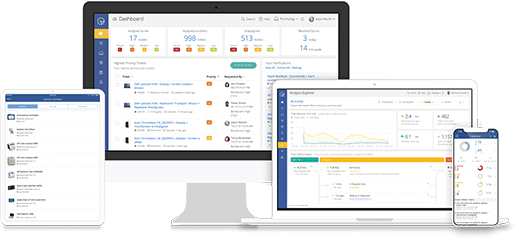
With Incident IQ, a school district with 10,000 students is able to gain an estimated $1,349,666 in total savings. This comes from efficiencies that become possible with our streamlined help ticketing and asset management solutions. School districts that use Incident IQ experience as much as an 80% improvement to service access, issue resolution time, and service delivery. (To learn the savings available for your particular district, use our savings calculator to find out).
If your district is burning through budget dollars with outdated processes and inferior asset management, reach out to us. Incident IQ is dedicated to streamlining critical support workflows for K-12 support teams so that California K-12 teachers and students can thrive.
Click to learn how we support teaching and learning in California K-12 school districts.