


























































When every dollar matters, visibility is your first line of defense. With districts managing thousands of devices across dozens of campuses, keeping track of what you have, and where it is, isn’t easy. But without it, you’re flying blind.
Rising device costs, shrinking budgets, and growing instructional demands are stretching IT teams thinner than ever. In many districts, especially smaller or rural ones, a team of just one or two people is responsible for managing thousands of devices across multiple campuses. And without clear insight into your technology inventory, small issues can spiral fast. A missing Chromebook or outdated spreadsheet may not seem like a big deal until it leads to unnecessary purchases, wasted support hours, and lost instructional time.
In times of financial pressure, visibility isn’t optional. It’s how IT leadership takes control, protecting investments, avoiding waste, and making data-driven decisions that move the district forward.
The Real Cost of Not Knowing What You Own
Each year, up to 20% of school-issued devices are lost or damaged, costing districts anywhere from $100 to $400 per unit. That kind of invisible loss adds up quickly, and most districts don’t even realize how much they’re losing until it’s too late.
Lack of visibility into devices and systems doesn’t just create headaches. It drains budgets, disrupts classrooms, and slows your team down. These small inefficiencies can quietly snowball into larger issues that ultimately hurt learning outcomes and strain your support staff.
Here’s what starts to happen when you don’t have visibility:
- Devices disappear, sit idle, or fail in the middle of class
- IT teams shift into reactive mode, firefighting instead of planning ahead
- Contracts get renewed without usage data, wasting money on tools no one uses
- Devices get replaced in bulk by the school, not by condition, usage, or warranty, leading to unnecessary spending on hardware that’s still under coverage
- Support tickets spike while aging hardware hogs time and attention
- Tech fails to align with curriculum goals, frustrating staff and students
- 1:1 programs become difficult to evaluate, making it unclear which devices need updates
Without consistent audits, districts are forced to operate on assumptions instead of facts. It’s not just risky, it’s a costly gamble, especially with tight budgets and lean teams.
How to Audit Your Tech Ecosystem
A smart technology audit starts with a checklist that helps you align with your district’s unique goals. It’s the foundation for understanding where your district stands, and where improvements are needed. The right school management software, can take your audit further by automating data collection and delivering real-time insights to support faster, better decisions.
A comprehensive audit should assess these key areas:
- Infrastructure
- IT Systems and Software
- Cybersecurity and Data Privacy
- Classroom Technology
- Stakeholder Engagement
- Tech Support Operations
- Technology Policies
- Regulatory Compliance
- Knowledge and Training Gaps
These categories provide a snapshot of your district’s overall technology health. Audits ensure your devices, systems, and strategies stay aligned with district goals and continue delivering value where it matters most: the classroom.
When done right, audits reveal the data you need to:
- Refresh or retire outdated equipment that receives the most support requests
- Eliminate wasteful purchases
- Address gaps in your support, usage, and security
- Reallocate underused devices and systems
- Stay ready for state-mandated technology audits
Without accurate data on asset condition, usage, and location, you risk overbuying hardware you already own, or holding onto tools that no longer serve your district.

Visibility Benchmarks and Red Flags to Watch For
An effective school technology audit helps you catch device risks early, because when schools lack visibility, the financial consequences can be staggering.
One Georgia district reported losing 11% of its devices in a single year, amounting to $3.5 million in replacement costs. And they’re not alone. In New York, state auditors found that over 22% of school-issued devices went unaccounted for during inventory reviews, with one district facing an estimated $280,000 in asset losses.
Here are some common red flags that often signal bigger issues ahead:
- Devices over 5 years old: These are more likely to fail and generate higher support ticket volumes.
- Last-minute purchases: If your team is scrambling to replace devices unexpectedly, it’s a sign your inventory isn’t up to date.
- Annual-only audits: Limiting audits to once a year increases the risk of budget surprises, operational slowdowns, and missed reallocation opportunities.
- No usage data: When districts rely on spreadsheets, asset data is often limited to school-level views. That makes it nearly impossible to see which devices are actively used, which are underperforming, and which are still under warranty. As a result, entire batches of devices may get replaced by school, rather than by actual condition or coverage, leading to unnecessary costs and shortened refresh cycles.
Districts that audit regularly, during the school year and especially in the summer, are better positioned to catch problems early, extend device life cycles, and ensure every asset is contributing to student success.
What to Do with What You Find
Once your audit is complete, the real work begins: turning your brand-new insights into action. These four steps can help your district make the most of its findings and build a more strategic, responsive tech environment:
1. Assess Your Current Infrastructure
Map out your district’s full technology landscape. Identify aging devices, limited wireless coverage, and bandwidth issues that may disrupt instruction or interfere with testing. With a clearer view of your infrastructure, you can plan upgrades proactively, reducing downtime and improving reliability across campuses.
2. Identify Needs and Vulnerabilities
Go beyond hardware. Examine cybersecurity protocols and flag high-risk areas like weak password policies or a lack of role-based access controls. You should then prioritize the fixes that will protect your district’s sensitive data and reduce exposure to cyber threats.
3. Engage Stakeholders Across the District
Loop in decision-makers beyond IT, such as finance leaders, school admins, and classroom educators. Their perspectives can help surface hidden pain points, build support for upgrades, and align purchasing decisions with real instructional needs.
4. Turn Your Audit Into a Strategic Roadmap
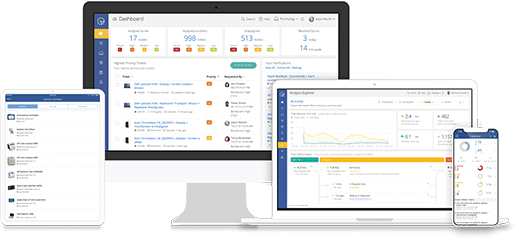
Use your audit to guide smarter investments. Identify devices to retire, systems to refresh, and workflows that need attention. Platforms like Incident IQ’s asset management software make it easy to centralize this data into actionable reports with real-time dashboards and custom workflows tailored to your district’s priorities. And when asset management integrates with your help desk or ticketing system, you get the full picture: device history, ownership details, and all associated support requests in one place. That means you can spot patterns, track recurring issues, and prioritize replacements based on real-world usage, not just age or location.
Best Practices for Stretching Your Tech Budget
Whether you’re auditing for the first time or refining a mature process, these best practices will help your district get the most value from your data and your budget:
- Define Clear Goals: Align your audit with broader district initiatives, like digital equity, instructional improvement, or operational efficiency. A focused audit delivers focused results.
- Standardize Data Collection: Use consistent tools and frameworks across schools so you can compare apples to apples. Centralizing your approach avoids gaps and guesswork.
- Automate Where You Can: Reduce manual work and human error by using platforms like Incident IQ to track assets, generate reports, and manage requests at scale.
- Prioritize High-Risk Areas First: Focus on outdated, unsecured, or underperforming devices and systems. These often have the biggest impact on support costs and classroom disruptions.
- Make Audits a Routine, Not a One-Off: Auditing only during refresh cycles leaves you blind the rest of the year. Regular check-ins, especially during summer, help you stay ahead of issues.
- Compare Against Past Audits: Use historical data to measure progress, spot trends, and validate budget requests with real evidence.
Ready to See What You’re Missing?
Regardless of where you are in your auditing journey, these best practices support stronger data use and smarter budgeting across your district.
Incident IQ’s asset management software makes audits easier and more impactful. With real-time inventory tracking, customizable reports, and data-rich dashboards, you can instantly see what you have, where it is, and how it’s being used. These insights help you reallocate underused assets, avoid unnecessary purchases, and plan refresh cycles with confidence.
Want to take the first step toward greater visibility, lower costs, and stronger tech outcomes?