



































































School administrators and facilities managers have to handle many stressful aspects of school system operations, including school budget planning. Leaders must scour the school budget not only to find funds for staffing, supplies, and important initiatives but also for maintenance processes, which are essential to creating a safe and productive environment for students and teachers. When facilities managers examine their to-do lists, it might seem impossible to achieve all of the necessary maintenance tasks without breaking the year’s budget.
The concern about school budgeting is widespread. Across the country, school districts are struggling under the weight of budget deficits. In March 2023, the board members of Seattle Public Schools revealed that they were considering staff cuts to cope with a $131 million budget deficit. Other cities, including Denver and Hartford, are facing similar financial crises.
To cope with ever-shrinking funds and never-ending maintenance needs, facilities managers need a logical and organized budgeting process that ensures money will not be misspent. It’s critical to approach school budget planning with an open, intentional, and creative mind, recognizing that changes will be necessary throughout the school year and that data tracking is a key step toward effective management.
Navigating the complexities of school budgeting would be challenging enough, even without school budgets that seem to get tighter with every passing year. If you’re struggling to manage this year’s or next year’s budget, the information in this article can help. Keep reading to learn more about how the best facility directors manage their school budgets, where schools can find more funding, and how you can get the most out of available funding for your district throughout the school year.
1. Secure Your Annual School Budget
Securing your budget for the year is the first step toward maximizing funds for your department, and it’s the foundation on which every other part of the budgeting process is built. In many districts, the school board and administrators develop a budget and hand it down to various departments. In these cases, facilities managers may not have much control over the budget itself and must find ways to best use the funds they have been given.
In other school systems, facilities managers have the opportunity to submit a total budget request. In doing so, managers can use forecasting to articulate exactly how much money they need and how the amount fits into the school district’s budget priorities. Forecasting is a key part of any budgeting process and involves projecting future needs and costs based on historical data, trends, and anticipated changes. Providing clear details about why certain funds are necessary is essential to making the case for your budget, and including data from prior years helps to reinforce your point. Submitting a vague or unclear budget request is unlikely to grant you access to the funds that you need.
Before submitting a request, be mindful of the school district’s budget priorities and how they align with your maintenance needs. For example, if the school board is focused on improving student achievement and test scores, upgrades to heating and air systems are a compelling choice because of the proven correlation between classroom temperature and academic performance.
Apply for Grants, Donations, & Financial Partnerships
Public schools rely on many different sources of money each year, and facilities managers and administrators should be fully aware of all possible school finance avenues that they can pursue. Much of the money for public schools comes from government sources. According to the Education Data Initiative, the federal government provides 7.9% of the necessary funding for K-12 public schools, with state and local governments contributing much of the remaining money.
However, the school funding contributed by government agencies is often inadequate in comparison to school district budgets, particularly those in low-income communities that need significant repairs and upgrades. In these situations, facilities managers can seek alternative revenue sources and external funding opportunities to help fill the gaps in their school budgets.
In addition to making budget requests to school boards, facilities managers can seek funds from other providers, including:
- Grants: School districts can apply for federal and state funding in the form of grants. For instance, the United States Department of Energy has been known to offer grants for school districts hoping to lower their energy costs, and the Department of Education sometimes makes grant funds available for public schools with diverse demographics and the greatest need for structural improvements, such as when burgeoning enrollment is negatively affecting class size.
- Partnerships: Another means of seeking school resources is building partnerships with external organizations, including private businesses. The allocation of this funding generally depends on the specific terms of the partnership, but it’s common to use the money for renovations, repairs, and upkeep in school facilities.
- Fundraisers: Fundraising efforts are a key component of school finance in many districts. PTO-driven donations and drives, as well as athletic sponsorships by local businesses, help supplement other revenue sources and ensure that all students’ needs are met.
School boards, principals, superintendents, PTO heads, and facilities managers often collaborate to seek outside funding to bolster school district budgets. The money earned through partnerships, grants, and fundraisers could mean the difference between making a vital school improvement or deferring it for another year’s budget.
2. Evaluate & Prioritize Facility Needs
The next step of the budgeting process is to take stock of the condition of each aspect of the school’s facilities. Ideally, this assessment will proceed naturally from an existing system of regular facility inspections, which allows staff to identify maintenance needs and track the condition of equipment over time. You may also want to conduct a more thorough inspection after school has let out for winter or summer break, when you can access every area of each building without interfering with the teaching process.
When evaluating the condition of school facilities, maintenance team members should consider a broad scope of elements, including:
- Safety equipment, such as locks, alarms, and sprinklers
- Heating, ventilation, and cooling (HVAC) systems
- Lighting
- Structural features such as roofs
- Plumbing and electrical systems
Once the inspections are complete, the maintenance department can categorize items by condition, flagging those that currently or will soon need to be updated, renovated, or replaced. Pay special attention to issues that could potentially pose a danger, interrupt school operations, or interfere with teachers’ ability to meet their instructional or professional development goals. For instance, when a high school has malfunctioning classroom technology, it makes it more difficult for teachers to use interactive projects and learning activities. Likewise, special education teachers often rely on assistive technology to teach diverse student populations. If this equipment fails, it becomes difficult to offer the support services that students need, and it may violate state laws ensuring that students receive equal access to education.
Certain environmental conditions also have a direct effect on student engagement and academic outcomes and should thus receive higher priority on a yearly budget. These include:
- Room temperature
- Light
- Acoustics
- Class size
- Air quality
- Building design features, including accessibility
Your budget should, as much as possible, try to address these specific areas in order to avoid negative impacts on student learning. Thus, if the current HVAC system is not operating correctly, repairs or replacement should have their own line item in your budget so that an overly warm or poorly ventilated classroom does not distract students or cause illnesses.
On a larger scale, if school enrollment or staffing has significantly increased, it may be necessary to revisit your financial resource allocation to carve out funds for expanding existing spaces or constructing new ones. Fundraising likely won’t cut it here: these types of changes often require significant capital investment, which is why it’s important to monitor and incorporate them into your yearly budget planning process to allow your school enough time to secure the proper funding.
In addition to tending to the needs of equipment and structures within the school, it’s also important to include a line item for employee concerns. Maintenance can’t occur without a well-trained team, so a facilities budget should include funding for issues related to human resources, including required staffing, professional development, and training. This helps ensure that maintenance employees work more effectively and efficiently.
Once you have determined what areas within the school need attention, you can develop timelines and mark items in terms of urgency. Determine which issues should be corrected right away and which ones can wait for future funding. This stage of the planning process is one of the most difficult because it requires looking closely at the nuances of the accounting system and what tasks are central to providing the best possible education services.
Make Cost-Effective Decisions
Although failing or damaged equipment often receives the highest priority for funding, it’s also important to consider long-term cost savings. If you’re working on the annual budget in the winter, an outdated air conditioning unit is unlikely to receive the most focus because it’s not currently in use. However, when warmer weather arrives in the spring and summer, a high-efficiency air conditioning system would significantly reduce energy expenditures. Rather than prioritizing based on present needs, it makes sense for a facilities manager in this situation to budget for an air conditioning upgrade that will save money for the foreseeable future.
In some cases, the most cost-effective decisions require a larger upfront cost. While it seems counterintuitive to manage your annual budget by spending more money, investing in high-quality technology usually pays off in the long run.
Pro Tip: Consider “Smart,” Energy-Efficient, and Sustainable Solutions
When upgrading or replacing equipment in your school, look for modern solutions that cut long-term expenditures. Energy-efficient technology, such as HVAC systems, cafeteria appliances, and even efficient light bulbs lower operating costs by reducing energy use. “Smart” tech, including classroom technology, combines functionalities, allowing you to buy and maintain fewer individual tools. Finally, embracing sustainability with enhancements like solar panels reduce a school’s climate impact and save money over time.
3. Track Expenditures Throughout the Year
Creating an annual budget is a big task, but the work doesn’t stop there. Data and analytics that you collect over the course of the fiscal year play a major role in adjusting your current budget planning and decision-making for the future. The facilities manager and maintenance team should track:
- Every maintenance task and inspection performed on each piece of equipment
- Any noticeable signs that suggest equipment will require significant maintenance or replacement within the next fiscal year or two
- Maintenance expenditures for the current year, including buying or replacing items, repairs, and upkeep
Tracking this information will help you notice trends in equipment performance, and will guide your decision-making and improve your financial accounting systems. Once you create a template for tracking this data, it can be used again in the following school year, ensuring consistency and saving time in the budgeting process.
Reassess Budgets & Priorities
A good manager knows to prepare for the unexpected… and in this case, that means equipment failures, damaged facilities, or worse. While no one wants this to happen, it’s best to assume that at some point in the school year, you’ll have to reprioritize the year’s budget in response to unplanned spending. Luckily, by keeping equipment maintenance records and data up-to-date, you’ll know exactly what initiatives can hold off for a bit and where you can free up funding at a moment’s notice, should it become necessary.
On the other hand, if your mid-year budgetary review shows you’re in a budget surplus (maybe it was an especially good year for fundraisers), you may decide that you’re able to address issues that you had previously determined would be impossible in the current year. The same detailed records your team has been collecting will help you decide which additional priorities will be targeted for the end of the year.
Use Actual Spending Data in Budget Forecasting
There’s no better time for your maintenance and spending data to shine than when preparing for your annual budget planning session for the upcoming year. When reviewing the budget reports from the previous year, take a close look at how your planned spending and actual spending worked out and what priorities were addressed vs. which had been left on the back burner. This way, you’ll see a clear picture of what expenses you can expect next year and where you might be able to cut costs.
School budget audits and financial reporting are also essential if you need to set a new budget at a K-12 school. Audits help identify any discrepancies, inefficiencies, or areas of overspending from the previous year. Detailed financial reports ensure transparency and accountability, which are crucial for maintaining the trust of stakeholders, including school boards, administrators, and parents in the community.
A budget calendar is another helpful financial tool. It offers a systematic way to track important financial milestones and deadlines for the upcoming year, ensuring that all necessary audits, reports, and budget submissions are completed on time.
4. Keep Stakeholders Informed of Operating Budget Decisions
As every school principal knows, clear communication and transparency are essential to building successful and productive relationships with school board members. This is especially true when it comes to budget planning and financial decision-making.
Rather than hiding unplanned expenses or shifting priorities in an end-of-the-year report, facilities managers should keep school administration, staff, stakeholders, and community members apprised of budget changes and the school district’s funding status throughout the year. This helps build trust and confidence and reduces the likelihood of pushback on future budget requests.
When the school’s operating budget is inadequate to meet its needs for next year, it’s important to talk to stakeholders, including school board members, school administration, and other decision-making individuals. Practicing openness about these matters makes communication about the budget second nature and helps ensure easier problem-solving in the future.
Keep School Budgets on Track with Facilities Management Software
From asset management to day-to-day maintenance, facilities managers for elementary and secondary schools have lengthy lists of responsibilities, and it’s easy to get bogged down by the often-cumbersome K-12 budgeting process. However, managers are more likely to achieve successful budget management when they follow facilities management tips and focus on the key steps of securing funding, prioritizing needs, tracking tasks and expenditures, and clearly communicating.
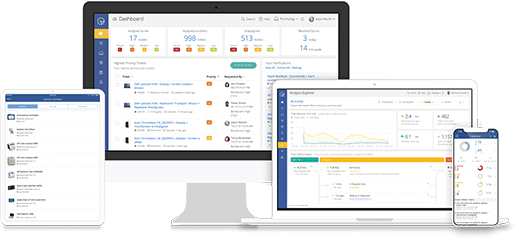
Developing and managing an effective financial plan for each school year isn’t a quick or easy task, but using the right tools and resources can simplify your budgeting process and alleviate some of the stress of school budget management. Incident IQ’s facilities management software allows facilities managers to track expenses, monitor active maintenance jobs, and review completed work, all within a single platform. It also ensures that your school budget and spending data are as accurate as possible, which is beneficial to both present and long-term planning.
If you want to learn more about what exactly facility management software is and how it can improve your budgeting process, the team at Incident IQ is happy to help. Reach out with your questions or to book a free software demo that allows you to fully explore everything that Incident IQ can do for your school’s financial plan.