
























































You already know how much work it takes behind-the-scenes to keep schools running, and running efficiently. While there are definitely a lot of different cogs in the machine, facility asset management is one of the most important.
Effective facility maintenance and asset management is a major part of providing a safe and productive environment for students and staff. But what does facility asset management entail, and what are the biggest keys to doing it right? To help you improve your facility operations, here is everything you need to know about facility asset management and its importance.
What is Facility Asset Management?
As you might be able to guess from the name, facility asset management is something that combines two different processes, facility management and asset management, to oversee an entire organization’s assets. Facility management focuses on the management and maintenance of physical spaces (like buildings and grounds) while asset management focuses on the management and maintenance of a school’s assets and physical resources (like equipment and classroom furniture). While sometimes managed separately, combining these two processes can offer some key benefits.
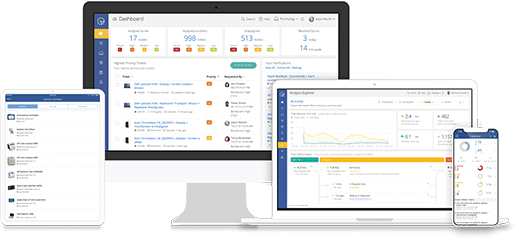
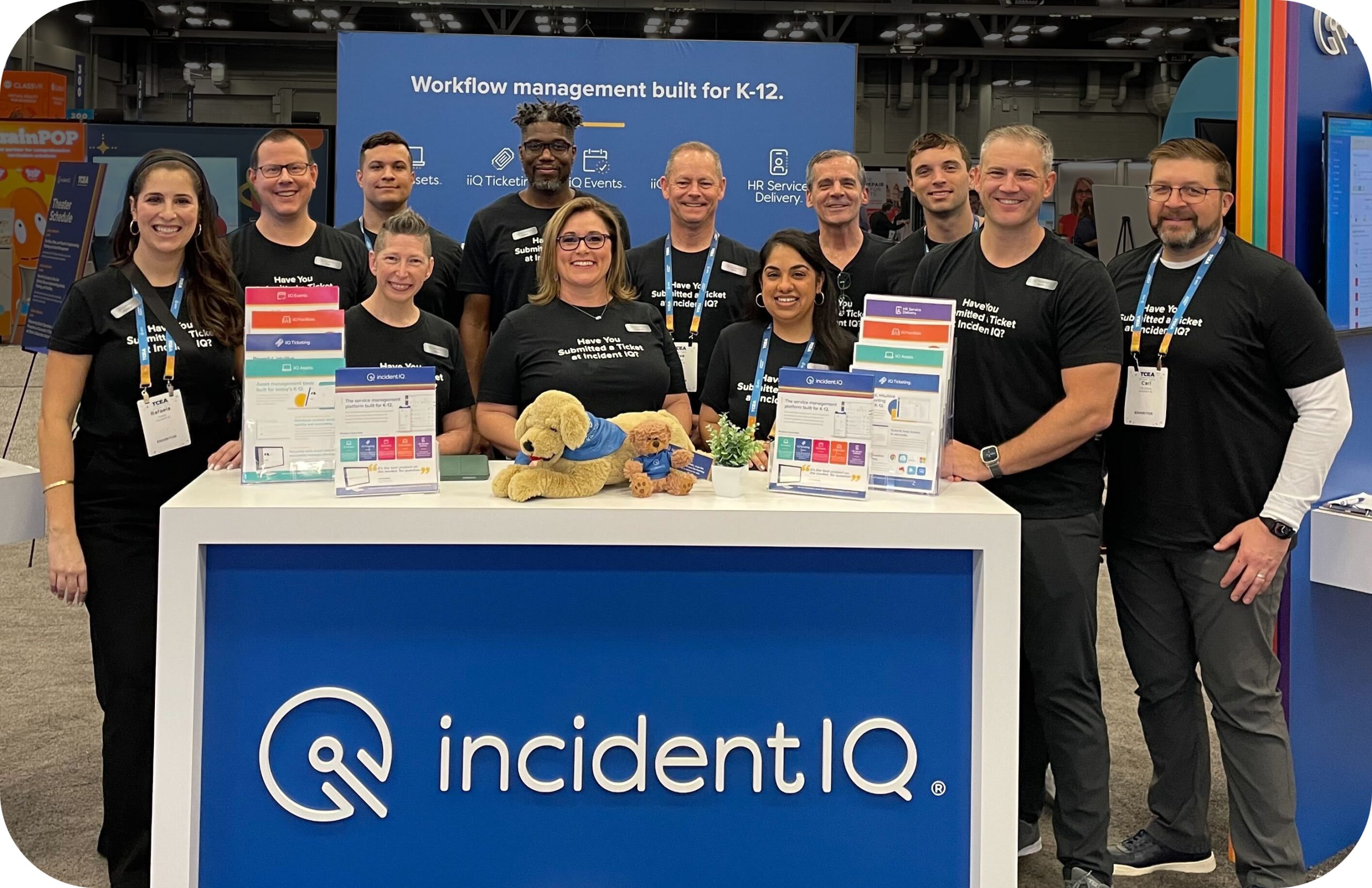
This is especially true when you use a solution that combines facilities management software and asset management software on a single platform. With a solution like Incident IQ, K-12 schools can streamline a wide range of asset management and facilities management tasks and manage all these tasks on a platform that’s intuitive and easy-to-use.
Facilities Management vs. Asset Management
Since facility asset management is a combination of two different processes, the best way to understand it better is to take a closer look at the processes that define it. Here’s a quick breakdown of facility management in schools, asset management in schools, and what both of these processes typically entail:
Facility Management in Schools
Facility management is a professional management discipline focused on supporting the regular maintenance and upkeep of K-12 school facilities, including school grounds, buildings, and real property. From preventing downtime to maintaining a safe and productive environment for students and staff, there are a lot of reasons why an effective facility maintenance program is essential for K-12 schools. It ensures that all maintenance tasks are completed in a timely manner and in a way that’s optimized for efficiency and cost-effectiveness, which is especially important given the aging infrastructure of schools and the reported funding gap for maintaining them.
K-12 facility management is typically run by an experienced facility manager (FM). Work orders are completed by technicians hired either full-time by the school or on a contract basis. On top of completing work orders, facilities teams are also responsible for outlining and executing a district-wide maintenance plan for each school year. Having a thorough maintenance plan helps keep everyone on the same page and prevents any important tasks from being overlooked.
A typical maintenance plan includes:
- Maintenance activities
- Maintenance schedules, including preventative maintenance
- Employee and staff headcounts
- Materials and equipment needed
- Total budget and forecasted expenses
Once a maintenance plan has been prepared, it’s time to execute it. Facility managers typically use CMMS (computerized maintenance management system) software to track, manage, and resolve incoming work orders. This software gives maintenance teams easy access to a suite of order management, analytics, and communication tools, boosting their productivity by streamlining the entire facility management process.
Asset Management in Schools
Asset management is a systematic process of purchasing, maintaining, upgrading, and disposing of assets in K-12 schools. This can include assets like computers and other devices, equipment, classroom furniture, and any other physical assets that are key to a school’s operations. With an effective asset management program, K-12 schools can improve asset performance and longevity while at the same time maintaining physical assets in a way that’s more efficient and cost-effective.
Asset management responsibilities are typically shared between IT and Facility Management departments. IT teams usually manage IT-related assets, like student devices and school technology, and related details for those devices, such as keeping track of software licenses and device warranties. Facility teams, meanwhile, are responsible for facility-related assets and equipment like light fixtures, water heaters, and HVAC systems. Facility managers also play a crucial role in the asset management process—specifically, planning maintenance for school equipment, forecasting new orders, issuing replacements, and maintaining accurate inventory counts.
By providing a centralized platform for accessing information on school assets, managing maintenance schedules, and assigning/tracking maintenance tasks, asset management software brings a lot of efficiency and transparency to the asset management process. This helps optimize asset performance and extend asset lifecycles by ensuring that all of your school’s assets are maintained effectively and on an optimized maintenance schedule.
Benefits of Bundling Facilities & Asset Management Together
Bundling facilities and asset management into one program can offer a lot of advantages to K-12 schools—especially when you use the right software to do so. While a CMMS is helpful for scheduling and tracking maintenance management tasks, it’s usually going to lack the features needed for effective asset management. By combining facilities and asset management tools together into one platform, schools can improve their strategic planning and create a unified facility asset management program.
This is something that offers a lot of benefits, including benefits such as:
1. Accurate Repair, Maintenance, and Asset Replacement Schedules
With accurate asset data on hand, facility managers can plan repairs throughout the school year and follow preventative maintenance schedule best practices. Similarly, technicians can prioritize asset maintenance for critical assets vital to your school operations instead of resolving incoming work orders at random. This extends the useful life of your school’s most critical assets and ensures that work orders are completed according to their priority.
2. Asset Value Tracking, Forecasting, and Inventory Management
Your school assets will depreciate over time—it’s inevitable. However, an integrated asset management dashboard allows facility managers to track asset utilization and condition, and create a plan to extend their asset lifecycle. With asset tracking tools, you can dramatically improve the transparency of your asset inventory so that you always know what needs to be repaired, what needs to be replaced, and when these tasks need to be completed.
What happens when a device or piece of equipment eventually breaks down? Asset service and ownership histories allow facility teams to properly assess the condition of school equipment and forecast potential asset replacements for the upcoming school year.
3. 360° Lifecycle Management
From initial purchase to deprovisioning, facility teams can conduct maintenance proactively throughout the asset life cycle. Instead of dealing with equipment failures and last-minute repairs, facility managers can extend the lifespan of their district assets and save money that would’ve been wasted due to negligence. This management strategy reduces maintenance costs and improves sustainability—both of which are metrics that most K-12 schools are keen to improve.
4. Asset Visibility Across Dashboards
No more unanswered emails or playing guessing games with your asset data. In a combined platform, facility teams can get quick, up-to-date information on all the assets in their school districts and can even set up real-time notifications to be sent to their mobile devices. With total asset visibility, maintenance technicians will have the information required to improve job decision-making and streamline work order management to resolve orders faster.
5. Total Workflow Management Across School Departments
Within a combined platform, facility teams can manage all their tasks in one place. However, it also enables collaboration across departments. A support platform like Incident IQ eliminates the need for multiple platforms and software tools that result in an overgrown tech stack. Instead, your CMMS, asset management system, help desk, and HR workflow tools can all be managed on a single, unified platform that comes complete with an optimized data infrastructure and time-saving automation features.
Better collaboration + improved workflows = a manageable workload and fewer administrative headaches for everyone in your district.