





























































What do the world’s tallest building, a seven-course meal, and a family vacation all have in common? They all started with a plan. Whether that plan is a blueprint, a recipe, or an itinerary, each requires meticulous planning and preparation.
Maintaining your K-12 school facilities might not be quite as complicated as building the world’s tallest skyscraper, but the same rules still fit, and you need a plan to succeed. Your school facilities master plan, whether for high school or elementary school, should start with a facility safety inspection checklist. This checklist ensures that all your school technicians and maintenance team members deliver consistent results throughout the work order fulfillment process.
Here’s everything you need to get started with your school facilities audit checklist, as well as a few helpful examples for inspiration.
What is a School Facilities Checklist?
A school facility assessment—also known as a facilities audit checklist, facility inspection checklist, or facilities maintenance checklist—documents each of the steps that K-12 facility teams must take to ensure the safety and regular maintenance of school sites. These checklists are regularly used to maintain corporate offices, hospitals, event centers, airports, and other large facilities that require a thoroughly documented maintenance process.
K-12 facilities also require the same attention to detail. Here are the sections your school facility safety checklist should include:
General Maintenance: School building maintenance checklists should highlight common maintenance activities that should be performed on a regular basis. Routine maintenance should ideally be performed outside of school hours to minimize disruptions and enhance safety. A few of these activities include:
- Checking doors, windows, floors, ceiling tiles, and other surfaces for signs of physical damage or water damage that could cause structural issues and potential health hazards
- Ensuring there are no obstructions or trip hazards along school walkways, landscaping, ramps, or stairs
- Inspecting cleanliness throughout the school grounds
- Implementing a preventative maintenance schedule for gas, water, HVAC systems, and other building systems to ensure optimal safety and performance
- Inspecting playground equipment, electronics, light fixtures, and other essential equipment for damage or potential hazards
- Confirming entrances, exits, and gates maintain security, are operational, and ensure controlled access to school facilities
Storage and Supplies: Preparedness is one of the most important strategies for facilities management. Storage and supplies sections that are fully stocked with spare parts and supplies ensure that your maintenance teams are equipped to make repairs promptly. School facility teams can easily perform this inventory management procedure, and it plays a crucial role in preventive maintenance in K-12 schools.
Health and Safety: This section documents the current health and safety status of your facilities, and it’s vital to maintaining a safe learning environment for K-12 students, teachers, and staff. Common activities included in this section are:
- Ensuring fire extinguishers, sprinkler systems, exit signs, fire alarms, other alarm systems, and other types of safety equipment are in working order
- Verifying that there are no harmful substances or hazardous materials on school campuses. This is critical when inspecting the safety of school science labs that regularly use chemicals and other potentially hazardous materials
- Regular maintenance of cafeteria and kitchen appliances—especially refrigeration systems and walk-in freezers that prevent spoilage and the growth of harmful bacteria on school food
- Checking if first aid supplies are available and not expired
- Ensuring that no more than 20% of walls are covered in paper like artwork and teaching materials, or 50% in areas covered by sprinkler systems
Final Inspection Notes: This section can be used as a “final assessment” of the current status of your district facilities. If no immediate repairs are needed, your facility teams can mark this section as “all clear” or “in working order.” However, if there are obvious signs of damage or safety hazards to a district facility, this section should be used to summarize their current status. Your school maintenance team can then document all the necessary repairs needed, translate them into work orders, and submit them to your school facility management software.
OSHA Safety Requirements for Public Schools
Not all K-12 facility teams need to worry about OSHA requirements, but it helps to understand their best recommendations when creating an education facility audit or safety checklist. The Occupational Safety and Health Administration (OSHA) defines and regulates safe, healthy working conditions for employees under the federal Occupational Safety and Health Act of 1970.
In states under Federal OSHA without a state plan, OSHA has no authority to inspect or enforce standards in public school districts. However, the local Federal OSHA office can be contacted to provide hazard recognition assistance and technical support. It can also be useful to review OSHA standards so that you can add them to your overall facilities management goals. To get a quick reference of which states fall under OSHA jurisdiction, check out this report conducted by the Congressional Research Service.
Common OSHA inspection activities in K-12 public schools include:
- Checking indoor air quality levels for contaminants like asbestos
- Ensuring that schools have set procedures for emergency response in the case of a fire, tornado, etc
- Checking that personal protective equipment such as gloves and protective eyewear are readily available
- Inspecting electrical safety precautions to prevent electrocutions and fires on the school campus
Even if you work in a private school or don’t fall under OSHA jurisdiction, OSHA safety guidelines can guide you as you create your school’s facility safety checklist. Collaborate with your district’s Office of Education for guidance on meeting local standards for school safety.
K-12 Safety Inspection Checklist Essentials
Once you’ve included the other sections above, here are the other essential tasks and best practices you should include in your facility safety inspection checklist.
- Inspector and facility IDs. Your checklist should always include the inspector’s name, job title, and the facility they’re inspecting to share with any of the appropriate stakeholders managing the safety of school premises. These details can later be entered into your school facility management software to access a complete service history of the facilities in your district.
- A well-documented emergency response plan. This plan should include directions and appropriate signage for teachers, students, and staff during emergencies. It should also include a blueprint that shows the location of all emergency exits, stairwells, and points of entry in case of an evacuation. You can find several examples of school emergency plans and resources here.
- Document the location of all first aid supplies. At a minimum, every K-12 classroom should come equipped with an on-site first aid kit. Your school facility teams should document the location of any and all first aid supplies throughout the school campus. If a first aid kit runs low on essential supplies, teachers can submit a work order to replace them.
- Separate checklists for various school facilities. Not all school buildings are built the same. When creating your inspection checklist, consider creating separate lists for the various areas of the school, including play areas, school cafeteria, gym, theater, restrooms, locker rooms, weight room, storage areas, parking lots, and so on. Not only does it provide teams with clearer instructions when conducting regular maintenance in schools, but it also ensures that no important safety details are overlooked during safety inspections.
- Create a back-to-school facilities preparation guide. While you’ll need to conduct assessments and perform maintenance at various times throughout the year, the most challenging time of year for your maintenance team will likely be at the start of a new school year. Pair your audit checklist with a comprehensive back-to-school facilities preparation guide to help your staff ensure that facilities are ready to go for a smooth start to the school year.
How to Conduct a School Facility Walkthrough Report
Routine data collection on facility conditions is essential to create a maintenance history that helps anticipate needs and allocate resources effectively. Unless your school facility maintenance falls under specific state or federal guidelines, your safety checklist should be organized and used according to your district’s needs.
That being said, specific guidelines make it easier to conduct routine safety inspections. Using a checklist properly includes:
- Planning routine facility safety checks
- Reviewing each area on the checklist with a manager
- Coordinating training for managers and maintenance teams on how to use the checklist properly
- Following up on any inspection items that need updating
Executing Your Facilities Audit Checklist For School Safety
Your inspection checklist acts as a blueprint for school facility maintenance, but it’s ultimately up to your team to tick all the boxes. K-12 maintenance teams can use school facility management software to document, organize, and execute all the regular maintenance needed to keep school facilities up and running.
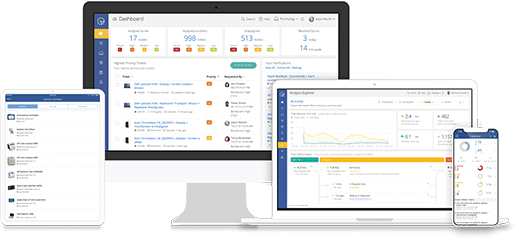
At Incident IQ, we’ve developed a service platform that connects facilities teams with other K-12 departments that are crucial to carrying out safe school operations. Using our school facility management software, maintenance teams can complete work orders, track team performance, and create custom maintenance reports with tools built specifically for K-12.
Schedule a demo to learn how Incident IQ can help school facility teams get more done while maintaining a safe learning environment for students and staff.