
























































The expiration of Elementary and Secondary School Emergency Relief (ESSER) funding marks a critical turning point for K-12 school budgeting. With federal funding no longer supplementing school district finances, administrators must prioritize strategic financial planning to ensure that resources are allocated effectively throughout the fiscal year. Careful budgeting across various departments—including IT, facilities, instructional materials, and general operations—is essential to maintaining quality education and essential services within public schools and charter schools alike.
In this guide, school principals and district administrators will find actionable tips to streamline the budgeting process for the upcoming school year. We’ll explore optimizing department-specific budgets, key K-12 financial planning strategies, and provide downloadable budget templates to help improve spending efficiency and transparency. By implementing structured financial plans, school leaders can navigate post-ESSER challenges and ensure sustainable funding allocation for years to come.

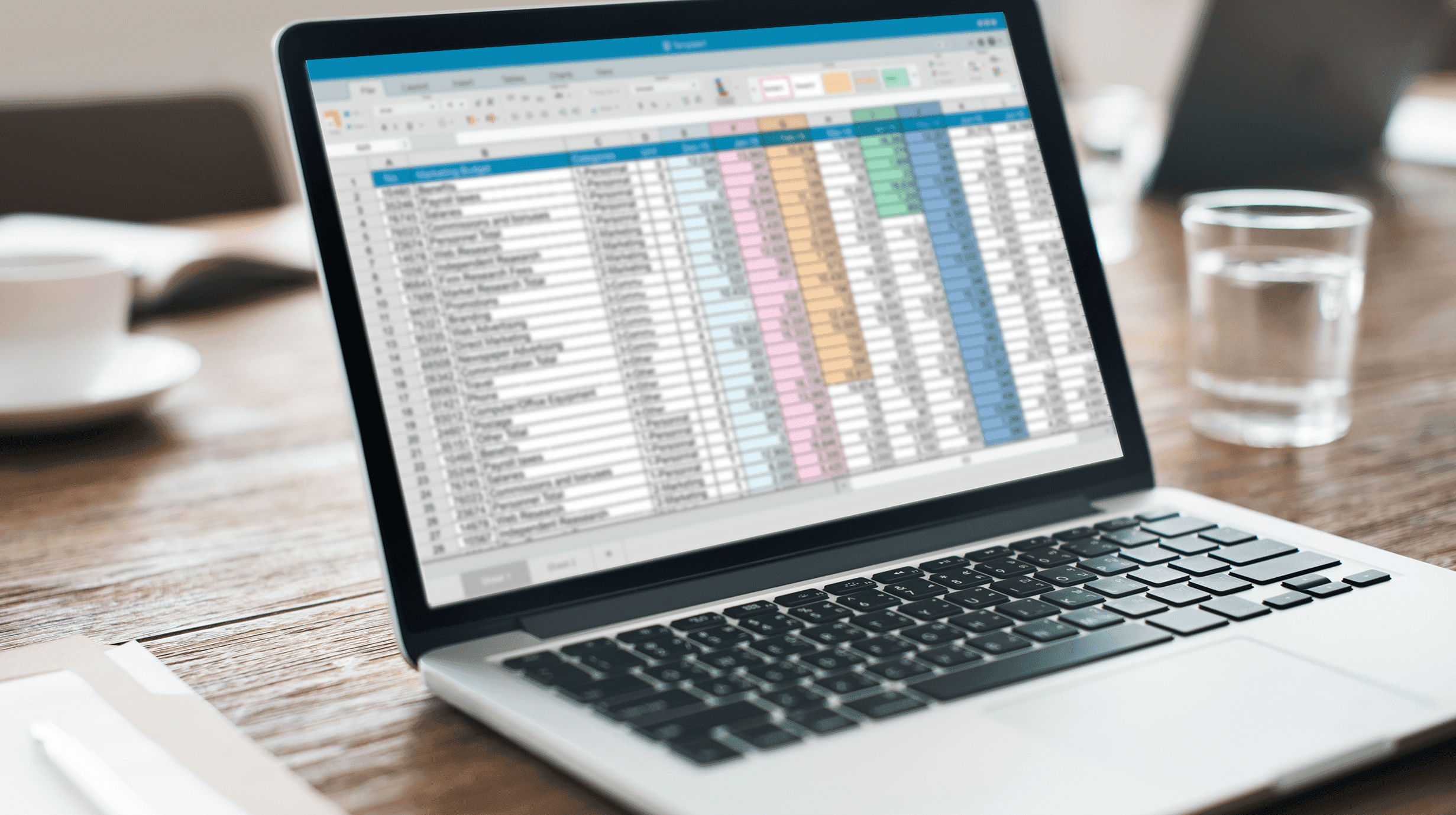
Ready to download a school budget example spreadsheet? Jump down to the Downloadable School Budget Templates section.
Tips for K-12 Budget Planning
Effective school budget planning requires careful financial management to ensure that funding is allocated wisely. In order to manage inventory effectively, school administrators must consider total revenues, expenditures, and stakeholder needs while maintaining compliance with district and state requirements. Below are key tips to guide the budgeting process.
- Identify Revenue Sources Early: Understanding all available funding sources—such as federal funding, state grants, and local fundraising—helps administrators create a realistic budget. Knowing total revenues allows for better decision-making when allocating funds.
- Prioritize Essential Expenditures: Before committing to new projects, ensure that critical expenses like salaries, utilities, and instructional materials are covered. This prevents budget shortfalls that could impact educational programs.
- Review Past Budgets for Insights: Analyzing previous school year budgets helps identify spending trends and areas where cost-saving measures can be implemented. This historical financial planning approach supports long-term sustainability.
- Involve Key Stakeholders: Board members, teachers, and department heads should have input in the budget process. Collaboration ensures that all departments receive the necessary resources while aligning with the school’s overall financial goals.
- Use Budgeting Worksheets and Software: Leveraging worksheets and digital budgeting tools simplifies tracking expenditures and total expenditures. Software solutions provide real-time insights, helping administrators make data-driven decisions.
- Plan for Unforeseen Expenses: Unexpected costs, such as emergency repairs or increased enrollment, can strain a budget. Setting aside contingency funds helps maintain financial stability throughout the fiscal year.
By following these budgeting strategies, school administrators can optimize resource allocation, improve financial oversight, and ensure that every dollar is used effectively to support students and staff.
Optimizing Department-Specific School Budgets
Effective budget allocation across all school departments ensures that educational program funding is used strategically across the board. Let’s dive into the following ideas for reducing expenditures within each of the following budgetary areas:
IT Budgets
Technology is critical in modern education, but managing IT expenditures requires careful planning. Schools can extend the life of their technology assets by:
- Implementing device maintenance programs.
- Updating software instead of purchasing new hardware unnecessarily.
- Utilizing cloud-based solutions to reduce on-premise infrastructure costs.
- Tracking device usage to prevent over-purchasing and repurpose underutilized equipment.
- Using data to track support team performance and identify areas for increased efficiency.
Facilities Budgets
Facilities expenditures can consume a significant portion of a school’s operating budget, making efficient financial management essential. Schools can reduce facilities costs by:
- Establishing preventive maintenance programs for HVAC, electrical, and plumbing systems.
- Implementing energy-efficient solutions, such as LED lighting and smart thermostats, to lower utility costs.
- Securing partnerships with local organizations to access reduced-cost facility upgrades and repairs.
- Conducting regular inspections to prevent costly emergency repairs.
- Tracking depreciation and managing assets to plan for replacements and extend infrastructure life.
Instructional Materials Budgets
Textbooks, library books, and classroom supplies are necessary expenditures, but schools can optimize their instructional materials budgets through:
- Bulk purchasing agreements to lower costs.
- Utilizing digital textbooks and open-source educational resources.
- Implementing resourcing tracking systems to prevent unnecessary repurchases.
- Encouraging teachers to share materials and collaborate on resource allocation.
General Operating Budgets
A well-managed general operating budget ensures that schools can meet essential daily expenses while maintaining long-term financial stability. Schools can optimize this budget by:
- Regularly reviewing staffing and human resource levels to align with enrollment trends.
- Investing in professional development programs to improve staff efficiency.
- Leveraging state and federal grants to supplement funding.
- Conducting annual audits to identify cost-saving opportunities and areas for financial improvement.
Program-Specific Budgets
Specialized educational programs and extracurricular activities require careful financial planning to ensure long-term sustainability. Schools can optimize program-specific budgets by:
- Seeking sponsorships or grants for sports, music, and STEM initiatives.
- Sharing resources across departments to reduce redundant spending.
- Implementing participation-based budgeting to allocate funds based on student demand and program impact.
- Partnering with community organizations for additional funding and resource-sharing opportunities.
By adopting these strategic financial management practices, school administrators and school board members can ensure that funds are allocated wisely, assets are maintained efficiently, and the annual budget remains balanced. Proactive planning, data-driven decision-making, and resource optimization are essential for maximizing the impact of every dollar spent in charter schools, public schools, and other educational institutions.
4 Downloadable School Budget Templates
Below are downloadable budget templates tailored for different types of schools and their specific needs. These templates serve as starting points for administrators to customize based on their school’s enrollment, programs, and financial goals.
Elementary School Budget Example
Designed to cater to the unique requirements of elementary education, this template includes provisions for playground equipment, basic classroom supplies, and primary educational programs.
Download our example Elementary School Budget Template —>
Middle School Budget Example
Tailored for middle school settings, this template encompasses a broader range of academic and extracurricular activities. It includes allocations for sports facilities, specialized educational programs, and transitional educational needs.
Download our example Middle School Budget Template —>
High School Budget Example
This template is structured to meet the comprehensive needs of high schools, covering extensive academic programs, advanced sports facilities, and career-oriented resources like vocational training and college preparation programs.
Download our example High School Budget Template —>
Private School Budget Example
Specifically crafted for private educational institutions, this template addresses the distinct financial considerations of private schools, including tuition management, donor relations, and unique extracurricular activities.
Download our example Private School Budget Template —>
Gain Visibility Over Your Investments with Incident IQ
Effective budget planning is crucial for maximizing school funding, especially in the post-ESSER era. Incident IQ offers comprehensive tools to help district administrators maintain visibility over their investments and make data-informed decisions regarding school resources, including:
- Efficient facilities asset management, tracking expected lifetimes and scheduling preventive maintenance
- Consolidated IT asset management, maximizing your investments with richer data and more visibility into your assets’ lifecycle.
- Simplified instructional material management utilizing barcode-based check-ins and check-outs
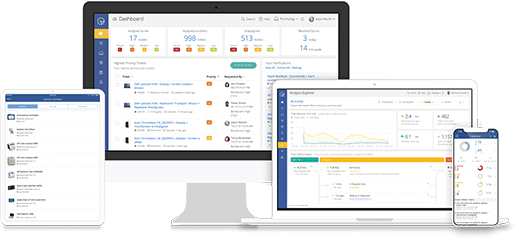
With Incident IQ’s automatic dashboards and reporting capabilities, school administrators can make informed decisions, adjust budgets proactively, and maximize the impact of school funding on educational excellence. Schedule a demo today to see how Incident IQ can support your school’s financial planning and operational efficiency.