






























































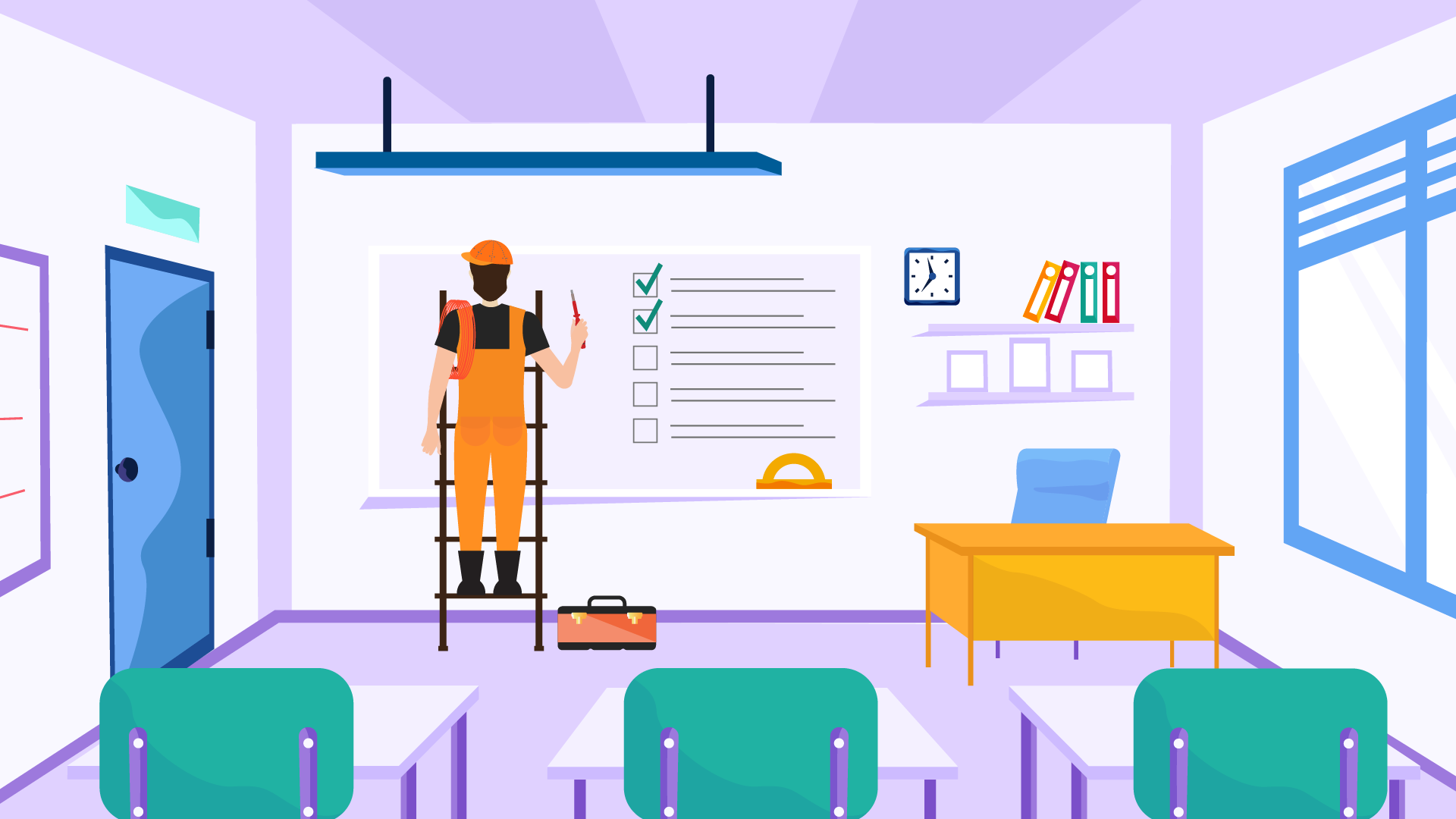
As the new school year approaches, ensuring your facilities are in top shape is crucial for a smooth start. A well-prepared facility not only enhances the learning environment but also ensures the safety and well-being of students and staff. In this post, we’ll provide essential tips and insights to help your facilities team get ready for the upcoming school year.
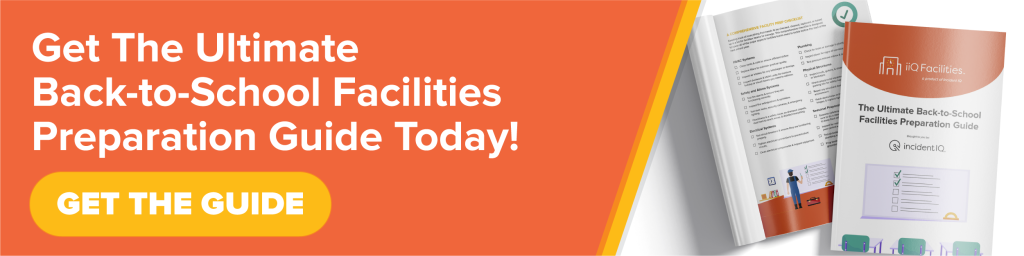
For a comprehensive checklist and detailed tips, be sure to download our Back-to-School Facilities Management Guide.

The Importance of Back-to-School Preparation:
Preparing your school facilities through effective school facilities management is more than just routine maintenance. It’s about creating a safe, efficient, and welcoming environment that supports learning and teaching.
Here are some key reasons why thorough preparation is essential:
- Safety First: Regular maintenance and safety checks prevent accidents and ensure compliance with safety regulations.
- Minimize Disruptions: Addressing potential issues before they become problems helps avoid interruptions during the school year.
Boost Efficiency: Streamlined operations and preventive maintenance save time and resources in the long run.
Essential Preparation Tips:
Here are some critical areas to focus on as you prepare your school facilities for the new year:
- HVAC Systems: Clean vents and coils, replace filters, and inspect air intakes
- Benefits: Optimal air quality and temperature control are crucial for a comfortable learning environment.
- Safety and Alarm Systems: Test fire alarms, inspect fire extinguishers and sprinklers, and test door locks, security cameras, and emergency lighting
- Benefits: Ensuring all safety systems are operational enhances the overall safety and security of the school.
- Plumbing: Check for leaks or damage, inspect pipes, test pressure release valves, and recalibrate gauges.
- Benefits: Proper plumbing maintenance prevents water damage and ensures reliable operation.
- Electrical Systems: Test circuit breakers, tighten electrical connections, clean electrical components, and inspect equipment.
- Benefits: Regular electrical maintenance reduces the risk of failures and enhances safety.
- Physical Structures: Inspect roofs, gutters, and downspouts, check playground equipment, walkways, and parking lots, repair any structural damage.
- Benefits: Maintaining the physical integrity of school structures prevents accidents and prolongs the lifespan of the facilities.
Best Practices:
Preventive Maintenance Planning: Adopting a proactive approach to maintenance can significantly reduce downtime and emergency repairs. Here’s how to plan your preventive maintenance strategy:
- Create a Maintenance Schedule: Develop a detailed schedule for regular inspections, updates, cleanings, replacements, and repairs based on historical data and manufacturer recommendations.
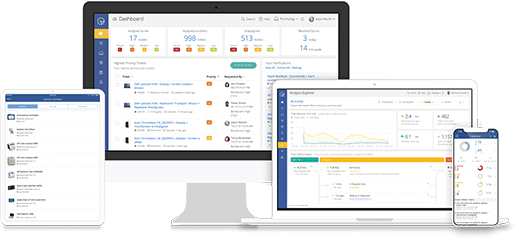
- Use Facilities Management Software: Leveraging technology, like Incident IQ, can help prioritize work with facilities analytics. If issues occur frequently with certain equipment or in specific locations, you know where to focus your efforts.
- Focus on High-Impact Areas: Prioritize maintenance tasks that have the most significant impact on safety and efficiency, such as HVAC systems, safety alarms, and plumbing.
Enhancing Communication and Collaboration: Effective communication is vital for successful facilities management. Here are ways to improve:
- Real-Time Updates: Use facilities management software to provide real-time updates to teachers, principals, and maintenance staff.
- Automated Work Orders: Implement automated work order routing to ensure tasks are assigned quickly and efficiently.
- Keep Stakeholders Informed: Regularly update teachers and principals on the status of maintenance activities to maintain transparency and trust.
Streamlined Events: Make it easy for Facilities to perform their assigned tasks for event set up and breakdown with a system that pulls facilities management and event management into a single platform.
Sneak Peek into the Comprehensive Guide:
For a detailed roadmap to a successful school year, download our Back-to-School Facilities Management Guide. Here’s what you’ll find inside:
• Comprehensive Checklists: Step-by-step checklists for all critical maintenance tasks.
• Best Practices: In-depth tips and strategies for efficient facility management.
• Case Studies: Real-world examples of successful back-to-school preparations.
• Maintenance Templates: Ready-to-use templates for common maintenance tasks.
Conclusion:
Thorough preparation is the key to a successful and smooth start to the school year. By focusing on essential maintenance tasks, adopting a proactive approach, and enhancing communication, your facilities team can ensure a safe and efficient environment for everyone. For more detailed tips and checklists, be sure to download our comprehensive Back-to-School Facilities Management Guide.
Download our Back-to-School Facilities Management Guide for detailed tips and checklists.