






























































When it comes to helping students reach their academic goals and empowering teachers to deliver an ideal learning environment, the condition of your school facilities matters. Clean, safe, and well-maintained spaces aren’t just nice to have—they’re essential. Effective school facility management not only reduces costs and streamlines workflows but also protects a productive learning environment by preventing disruptions to daily operations.
Managing educational facilities—often sprawling campuses with multiple systems, buildings, and limited resources—takes strategy and precision. The role of a school facilities manager is as complex as it is critical. This guide will walk you through the core elements of facility management that keep your campus operating smoothly, safely, and efficiently.
The Duties of a School Facilities Manager
Some of the most common facilities goals examples include coordinating with educational staff and administrators and ensuring safe building access. School facilities managers typically supervise maintenance, janitorial, and security teams. They present school leaders and boards with strategic plans for upgrades and improvements, and they work to stay within the district’s approved budget. They also ensure that facility operations, systems, and structures are compliant with safety and accessibility regulations and standards.
Top School Facilities Maintenance Priorities
Facilities management in education includes a wide range of tasks and responsibilities. While this isn’t an exhaustive list of all the issues facilities managers have to address, the following are some of the most critical.
General School Facility Maintenance
Much of a facilities manager’s time is spent on routine maintenance and general upkeep of school buildings and grounds. Common maintenance tasks include installing new equipment like light bulbs or door handles; replacing broken floor or ceiling tiles; and repairing basic HVAC, plumbing, or electrical issues. A school building maintenance checklist can help you stay organized and ensure nothing gets overlooked during regular inspections or repairs.
Responding to maintenance requests promptly can be difficult, especially if you’re working in an older building with more frequent problems and trying to manage them through manual processes. Without efficient, real-time work order management, requests can pile up, communication breaks down, and issues take longer to resolve.
An easy-to-implement and user-friendly computerized maintenance management system (CMMS) helps teams create and manage work orders with fewer clicks, prioritize requests quickly, and trigger next steps automatically. A built-in work calendar helps avoid scheduling conflicts and ensures limited staff are assigned where they’re needed most. This reduces delays and keeps projects on track. The inventory audit process also helps ensure that you always have adequate supplies and parts on hand to take care of your assets and meet your maintenance needs.
Preventative Maintenance
It can be difficult for schools to balance urgent reactive maintenance needs with ongoing preventative tasks, and delaying maintenance often leads to higher costs. Emergency repairs are typically 25–50% more expensive than planned service.
With preventative maintenance software, you can reduce unplanned downtime and standardize work across campuses by using templates with built-in checklists, subtasks, and equipment manuals to build straightforward preventative maintenance schedules. These templates keep workflows on track and equip technicians to get the job done faster, so your equipment and systems perform better and last longer.
Your preventative maintenance planning should include tasks such as:
- Equipment cleaning
- On-time parts replacement
- Regular inspections
- Timely lubrication and fluid replacement
Knowing the difference between preventative vs. predictive maintenance, and having a plan for each, can keep your facility equipment in good working order and significantly improve your building operations.
Resource Management & Capital Planning
Facilities managers are in charge of managing K-12 parts and labor tracking, and making sure everyone has access to the resources they need. They must also allocate and distribute funds for short and long-term goals, including immediate operational costs and future initiatives, through thoughtful resource allocation.
The challenge of school budget planning lies in getting the most from every dollar you spend. Track capital assets, warranties, work history, depreciation, and costs using the K-12 data and analytics tools within that software. Dashboards and customizable reports provide a full picture of operational expenses, helping you evaluate the total cost of ownership and plan repairs or replacements more effectively. These insights also help justify staffing and budget requests with clear, data-backed reporting.
Learning Environment Safety
Maintaining a safe learning environment is key to keeping students and staff healthy and productive. While school buildings are designed to help students flourish, security concerns and school maintenance issues can create potentially life-threatening hazards.
For example, in 2023, an elementary school in South Carolina had to shift to eLearning because of concerns about indoor air quality. After performing an inspection, administrators discovered problems with the HVAC system and elevated carbon dioxide levels.
Implementing a facility safety checklist is one way to prevent these types of issues from occurring. These checklists instruct team members on how and when to perform certain essential maintenance activities, inspections, and tests. Using a calendar or ticketing system to ensure tasks are assigned, scheduled, and completed on time will help keep your schools safe.
Space Planning
School facilities are unique because they have to serve so many different purposes. In addition to providing classroom space for students to learn, schools also include libraries and media centers, cafeterias, playgrounds, gyms, admin offices, and more — all in one block of real estate.
To maximize space in your school, facilities managers must carefully put each square foot of space to good use, a process also known as space management. This may involve designing furniture layouts, establishing organizational systems, and creating multipurpose rooms for a range of school functions. Having a centralized spot to store interactive floor plans that update in real time makes it easier to plan layouts and adapt as needs change. It may even involve using event management software for education to assign multipurpose rooms to certain groups and prevent double-bookings.
Energy Efficiency and Sustainability
Using smart energy management and sustainability practices can lower your school’s operational costs, ease budget pressures, and support a healthier environment.
Consider energy-saving methods such as:
- Setting printers to automatically print on both sides of the paper
- Installing energy-efficient lighting, appliances, windows, etc.
- Using sensors to turn lights off when no one is in a room
- Installing solar panels to generate your own renewable energy
- Using native plants in landscaping that require less water and maintenance
Experts estimate that schools could save 25% of their energy costs by making these types of changes.
Emergency Preparedness and Crisis Management
Facilities managers must protect everyone in their buildings at all times. Natural—and unnatural—disasters can place students and staff at risk, but you can take steps to improve your school’s prevention and response strategies.
Your long-term school maintenance plan should include a section for emergency preparedness and emergency response procedures. Within those pages, discuss emergency evacuation procedures; structural integrity for sheltering in place; and security/alarm systems, cameras, and external lighting. In addition, make checklists for your facilities services teams. Use a CMMS to schedule and automate inspections of fire safety systems, heavy equipment, doors, and windows, ensuring they’re completed on time. Making these inspections part of your regular preventative maintenance reduces the likelihood of injuries if an emergency occurs.
Best Practices for School Facility Management
While you’ll have to tailor your school operations management strategy to your school’s budget, size, and age, we’ve found that most K-12 public schools can benefit from the following facilities management best practices.
Use CMMS Technology for Facilities Management
Using a CMMS can simplify your facilities’ asset management, alleviating the burden of repetitive tasks and using automation to streamline your processes. Such a work order system for schools automatically routes requests and support tickets to the appropriate people, helping to even out the workload and allowing your team to be more productive and efficient.
Facility asset management software can also help you visualize school maintenance analytics, allowing you to spot any silos in your FM processes, frequently encountered issues, issues by location, time to resolution, and more. If possible, use a cloud-based system so that your employees can access the information they need from any location.
Provide School Facilities Management Training & Resources
Provide your facilities management team with adequate school facilities management resources so that they can build on their existing skills and knowledge. Offer your team one (or several) opportunities to take online or in-person training courses to expand their capabilities, especially in areas like HVAC, air conditioning, and electrical systems. Or, provide your own thorough internal training program to share specific institutional knowledge.
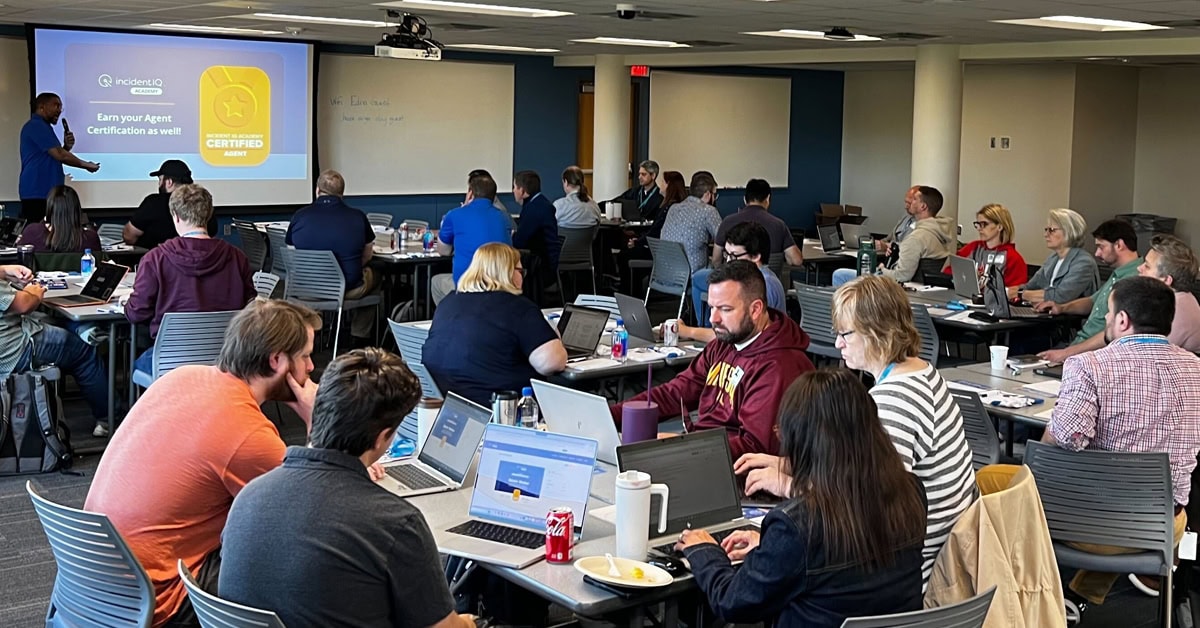
In addition to these more general trainings, make use of existing courses and training materials for the software and tools that you use day-to-day. For instance, Incident IQ Academy offers a series of self-guided courses that teachers, IT teams, and other school employees can use to better understand facilities management and Incident IQ’s school management software.
Structure Your Facilities Team Strategically
Your facilities management team structure will depend heavily on your FM budget. By strategically building your team, you can often make the most of this budget.
Similar to IT department structure best practices, strategic FM team-building may present in one of many ways, such as:
- Use a centralized structure, where team leads and junior members operate from a single location
- Use a decentralized structure, where smaller team hubs are spread across multiple locations
- Use a third-party delegation structure, where specialized facility operations tasks are contracted out to local service providers (i.e., janitorial, electrical, plumbing, etc).
With your staffing structure in place, you can make strategic hires for certain positions that are either experts in their specific areas, or generalists that can handle tasks in several areas. When optimizing existing team structures, take the time to understand each employee’s strengths. Place them in corresponding roles that support the broader facilities management plan, then build your team outwards from there.
Communicate & Report Effectively
Establish a transparent system for sharing information, which several stakeholders can use to access data at their convenience. Some options for sharing data include:
- Creating or utilizing a cloud-based file system where you can save monthly, quarterly, or annual reports, and which is accessible from anywhere based on permissions.
- Emailing stakeholders new reports as they’re published
- Posting reports to school/school board websites for download as needed
Facilities data and analytics reports can often be auto-generated directly within your facilities management software. Often, software tools also allow for auto-sending of these reports. Incident IQ’s analytics tools allow you to automatically create and send reports, or save them in the Incident IQ dashboard for authorized users to access at any time.
Provide these individuals with detailed reports and maintenance analytics that measure performance levels and flag areas for improvement. Incident IQ’s K-12 support analytics tools allow you to access real-time, actionable information for better decision-making and planning.
Overcoming Challenges in Education Facilities Management for School Districts
A 2023 Education Week survey asked teachers and school administrators how they felt their school building facilities scored. 45% of respondents assigned their facilities a score of C or lower, and only 14% of respondents felt that their school buildings deserved an A. The lack of satisfaction with school facilities comes down to certain challenges that district leaders often struggle to overcome.
Budget Constraints and Financial Management
K-12 schools generally have limited budgets that they have to stretch to fund multiple projects, along with emergency repairs and replacements. With fluctuating pricing for labor and parts, it’s important to take a cost-effective approach to spending and prioritize strategies that make the most of your budget while managing maintenance costs.
Developing a preventative maintenance calendar allows you to plan more effectively for upcoming expenses. Additionally, strategic team building makes your employees more productive and avoids wasting time and labor costs. Likewise, automated ticket routing ensures that teams are properly resourced and that they complete tasks more quickly.
Ensuring Consistent Service Quality Across Facilities
Many modern schools are spread across multiple facilities, and providing the same level of service to each of them can be challenging. The first step to creating better study and work environments for all staff and students, regardless of their location, is establishing a sound training plan. If your maintenance teams know how to use all your school’s systems, they can maintain higher performance levels.
Implementing work order systems for schools also helps streamline and automate work requests. When the system routes a ticket to the right person the first time, it makes your team more efficient and minimizes the need for repeated service calls.
Maintaining Older Buildings
A large number of public school facilities in the United States are outdated. Unfortunately, older buildings are more likely to experience equipment failures and need major structural and system repairs. Finding the money to put band-aids on current problems while also planning to upgrade equipment at the end of its lifecycle is difficult.
Long-term maintenance planning helps you look at the full picture of what your building will need. Using a facility maintenance plan template can make it easier to outline priorities, track upgrades, and stay focused on both current and long-term goals. This allows you to work toward broader efforts, like replacing outdated systems, while still keeping up with day-to-day needs. Preventative maintenance also helps extend the lifespan of existing equipment, so you don’t have to invest in replacements as often.
Adapting to Technological Advancements
There’s a huge variety of technology options available for facilities management, and they can change in the blink of an eye. It’s impractical to try to implement every new piece of technology that becomes available, but it’s important to stay on top of trends and use the best possible equipment. Compare how the cost of the purchase and installation will be offset by what you’ll save over its lifetime. Use CMMS and facilities management software to evaluate where you’re currently losing money and examine how better technology could cut costs.
After you sink money into new devices and systems, the last thing you want is for staff to struggle to adapt to the shift. When your team can’t use new systems correctly, it eliminates the value of the investment. Provide your team with ample training and school facilities management resources so they can use your new purchases to their maximum potential.
Best K-12 Facilities Management Software
School facility management is a massive undertaking. With so many aspects of K-12 schools to consider, from inventory management to general maintenance, it’s easy for facilities managers to lose track of important tasks and deplete their budgets. Fortunately, facilities management software for schools helps manage all these issues in a single place.
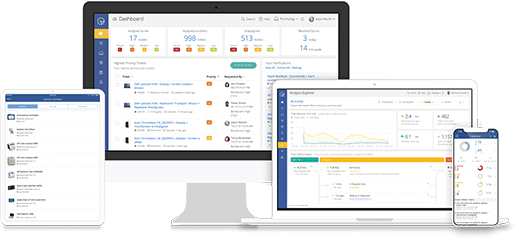
Incident IQ’s facility management platform is built exclusively for K-12 districts. From streamlining work orders to planning preventative maintenance and accessing live analytics, it helps facilities teams stay organized and move faster. The platform’s user-friendly design makes it easy for requesters to submit tickets and receive automatic updates, while customizable reports and asset tracking help district leaders justify resource needs and plan for the future.
Schedule a demo to see how Incident IQ brings the best out of your school facilities.