


















































Technology is an essential tool in modern learning, and one-to-one technology initiatives have become standard practice in offering students the digital literacy they need to excel. By providing each student with a personal device, schools foster flexible learning, greater engagement, and more personalized learning experiences. While the pandemic accelerated one-to-one adoption, sustaining these programs long-term remains a challenge.
With ESSER funding ending, many schools face difficulties in maintaining funding, managing devices, and ensuring program longevity. Without a clear strategy, districts risk losing the progress they’ve made in digital learning. This article explores the benefits of one-to-one initiatives, the challenges schools must address, and the best strategies for sustaining these programs for years to come.
Understanding the One-to-One Initiative
One-to-one (1:1) technology programs assure that all students have their own personal device—a laptop, Chromebook, or iPad, to name a few—to enhance learning in the classroom. In contrast to shared technology models where students take turns to use devices, one-to-one programs provide constant access, allowing more individualized instruction as well as more flexibility in teaching.
Many school districts have adopted one-to-one initiatives to enhance digital learning across all grade levels. High schools will typically use laptops and Chromebooks to do their work, research, and collaborate, and elementary classrooms can use iPads to increase interactive learning. By incorporating technology into everyday instruction, schools are better able to serve multiple learning styles and engage students. Careful planning, however, is required to implement and sustain these initiatives, including choosing the correct student devices, managing infrastructure, and obtaining long-term funding.
As one-to-one initiatives become more prevalent, the role of technology in schools only increases. Administrators must make these initiatives sustainable while ensuring they improve learning and keep up with the constantly changing environment of schooling.
Benefits of One-to-One Devices in Schools
1:1 initiatives enable students to interact with digital content, collaborate on projects, and acquire new knowledge on their own schedule. By equipping every student with a personal device, schools create learning environments that are flexible and responsive to individual learning requirements and enhance academic performance.
Educators observing the impacts of one-to-one initiatives have found a number of important benefits, including:
Enhanced Student Engagement
Students find learning more interactive and engaging when technology is incorporated. Technology allows students to connect with content in natural and stimulating ways, either through gamification, multimedia resources, or collaborative tools. With these resources, teachers can transform passive learning into an active, hands-on experience, making lessons more accessible for visual learners through images, videos, and interactive elements.
Example: A teacher using Google Classroom can incorporate interactive quizzes and discussion prompts to encourage participation, helping students stay actively engaged in their classroom setting and reinforcing key concepts.
Personalized Learning
One-to-one devices enable students to learn individually at their own pace with the help of adaptive learning technologies. Artificial intelligence-powered platforms adjust the level of difficulty in the lesson based on individual progress, and students receive the level of challenge and support they need. This is appropriate for every learning style, and students can better understand the topic.
Example: A student can use a tool like Khan Academy to work through math problems at their own speed, receiving personalized feedback and targeted practice recommendations based on skill level.
Improved Digital Literacy
Using technology to complete schoolwork every day allows students to develop digital literacy skills that will serve them in their adult lives. A 2023 study by the National Skills Coalition and the Federal Reserve Bank of Atlanta found that 92% of jobs require digital literacy. That figure will only rise as time goes on, creating a strong case for the critical importance of 1-to-1 deployments.
Example: A student using a school-issued Chromebook can learn how to create and format a presentation in Google Slides, incorporating research, citations, and multimedia elements, and gaining experience that will be essential for both college and the workplace.
Increased Access to Learning Resources
One-to-one technology gives students 24/7 access to digital content, removing barriers to learning outside the classroom. Electronic textbooks, cloud-based apps, and research databases allow students to complete their work anywhere, offering increased flexibility and access.
Example: A student using a school-issued laptop can log into an online research database at home to complete a history project, allowing them to access the same learning materials outside the classroom setting.
More Efficient Classroom Management
One-to-one initiatives allow teachers to better organize classroom management and to more conveniently distribute work, present lessons, and keep an eye on progress. According to a 2021 National Center for Education Statistics report, more than 70% of schools use technology for classroom learning at moderate to high rates. Of those schools, nearly half said that their instructional plans wouldn’t be possible without that technology.
Example: A teacher can use an interactive whiteboard along with individual student devices to guide a live science experiment. Students can follow along on their laptops, recording data in a shared document while using a simulation tool to compare real-time results with predicted outcomes.

Challenges of Implementing One-to-One Technology in Schools
While one-to-one technology offers many benefits, its adoption comes with challenges of its own. School districts must surmount issues of budget constraints, teacher training, and device management for the sustainability of such programs. If not well planned, these concerns can undermine the effectiveness of technology utilization in classrooms.
- Financial Constraints: With pandemic relief funding coming to an end, securing long-term financial support for one-to-one technology programs is becoming increasingly difficult. Schools must explore alternative funding sources such as local funding, corporate sponsorships, and grants to maintain student devices and the necessary technological infrastructure.
- Teacher Training: Without sufficient professional development, teachers may struggle to incorporate new technology into their lesson plans. Workshops, peer collaboration, and ongoing training are essential to helping educators make the most of one-to-one technology in their classrooms.
- Device Management & Maintenance: Keeping track of thousands of student devices—handling repairs, updates, and replacements—is a significant challenge. To ensure technology remains functional throughout the school year, schools need asset management systems and proactive maintenance strategies.
- Internet Access & Connectivity Issues: Many students lack reliable internet access at home, creating digital equity gaps. Schools can help bridge this divide by providing mobile hotspots, expanding public Wi-Fi initiatives, and partnering with internet service providers to ensure students stay connected.
- Student Distractions & Misuse: Without proper monitoring, students may use their devices for non-educational activities, leading to distractions. Schools can mitigate this issue by implementing classroom management software and digital citizenship programs that teach responsible technology use.
Successfully overcoming these challenges requires strategic planning, continuous professional development, and strong IT support. Schools can leverage expert resources and professional communities focused on K-12 technology administration to effectively manage and sustain their one-to-one programs.
Best Practices for One-to-One Learning Environments
Creating an effective one-to-one learning environment takes more than distributing student devices. Schools must have clear guidelines, structured technology integration, and ongoing professional development to enable devices to enhance instruction rather than serve as a distraction. Effective classroom management, collaboration among teachers, and well-maintained technology are what enable one-to-one initiatives to live up to their full potential while enhancing multiple learning styles and modes of assessment.
Invest in Continuous Professional Development
Teachers should have continuous professional development so they will feel comfortable teaching in a classroom where all students have their own devices. Training should cover technology integration, classroom management techniques, and teaching strategies that enhance student engagement.
Administrators should support teachers by offering hands-on workshops, peer mentoring, and formal online training that provides step-by-step guidance on how to implement one-to-one technology properly. Continuous training keeps teachers up to date with new educational technology tools, allowing them to adapt lesson plans and assessments to meet multiple learning styles.
Establish Clear Technology Expectations and Guidelines
Implementing acceptable use policies (AUPs) regarding the use of devices can help create a productive and structured learning environment. These should include guidelines for appropriate online behavior, responsible device use, and classroom expectations for technology. When students understand what is acceptable and what is not, distractions are minimized, and devices contribute to learning rather than hinder it.
Device management is also essential for sustaining one-to-one initiatives. Schools can establish student-led tech teams to assist with basic maintenance and repairs, reducing external repair costs while providing students with hands-on experience with technology. Some schools even offer certification programs for students interested in IT, creating long-term benefits beyond the classroom.
Leverage Professional Learning Communities
Educators benefit from professional learning communities (PLCs) where they can collaborate, solve problems, and develop new strategies for implementing technology. These communities provide ongoing support, helping educators refine their approach to one-to-one initiatives. Teachers can also participate in sysadmin communities to connect with peers and IT professionals who specialize in supporting digital learning environments.
Collaboration within a professional learning network also helps schools discover alternative funding sources to support technology initiatives. Fundraising activities based on community engagement—such as sponsored cleanups or partnerships with local healthcare networks—can generate funds while fostering local involvement.
Integrate Technology into Lesson Plans with Purpose
One-to-one initiatives will only be successful if technology is used to enhance curriculum goals rather than simply replace traditional teaching methods. Teachers should utilize digital tools in a meaningful way, such as using interactive science simulations, collaborative documents for writing projects, or adaptive learning platforms for differentiated instruction. Purposeful technology use ensures that devices support educational objectives rather than becoming distractions.
Digital equity must also be considered in lesson planning. All students, regardless of socioeconomic background, must have access to student devices and reliable internet connectivity. In a successful case study by the Harvard Political Review, New Mexico’s Gadsden Independent School District secured grant funding to provide 2,500 families with mobile hotspots, ensuring students could complete assignments from home. Other schools, like Hatch Valley Public Schools, installed antenna extensions to broadcast Wi-Fi signals to students without internet access. These initiatives demonstrate how schools can creatively expand access while maintaining effective technology use in the classroom.
Provide Technical Support and IT Resources for Educators
Teachers require dependable technical support to troubleshoot device issues and manage digital tools effectively. Admins should invest in dedicated IT personnel and offer accessible resources to help educators resolve technology issues quickly. A well-supported management system keeps learning environments running smoothly, minimizing disruptions and allowing teachers to focus on instruction rather than troubleshooting.
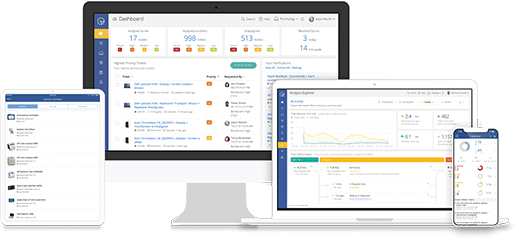
Beyond IT support, schools can extend the lifespan of student devices by implementing effective inventory and lifecycle management. With the help of asset management software for schools, device deployment, schedule refresh cycles, and automated maintenance can be monitored. Platforms like Incident IQ offer solutions for IT asset management, remote device tracking, and smart audits, enabling schools to maximize their existing technology budgets.
How Admins Can Fund and Sustain One-to-One Technology
As ESSER funding runs out, many school districts are struggling to sustain their one-to-one programs while also facing broader financial difficulties. Beyond the initial cost of purchasing devices, schools must account for ongoing expenses, including repairs, replacements, and IT support—requiring long-term financial planning.
Adding to the challenge, factors such as state tax cuts, school voucher programs, and rising operational costs are pushing schools toward a “fiscal cliff.” These financial pressures could lead to staff layoffs and deep program cuts, particularly in districts serving lower-income communities. To ensure one-to-one programs remain viable beyond the current school year, administrators must seek alternative funding sources, develop strategic partnerships, and implement cost-saving measures.
- Leverage Grants and Alternative Funding Sources: With emergency relief funding ending, schools must find long-term financial solutions. Administrators should seek state and federal grants, business partnerships, and fundraising initiatives to keep device programs sustainable beyond ESSER.
- Develop Community and Business Partnerships: Public-private grants, corporate sponsorships, and local fundraising can provide ongoing financial support. Many districts are adopting collaborative funding models, as discussed in the webinar strategies for sustaining one-to-one technology, to ensure schools continue to have the resources needed to maintain their device programs.
- Implement Cost-Saving Strategies: Schools can cut costs by using inventory management systems to track devices and automate maintenance. Student-led tech teams can handle minor repairs, reducing external costs, while structured device refresh cycles help optimize budgets and extend device lifespans.
By combining grants, partnerships, and operational efficiencies, school districts can ensure their one-to-one programs remain sustainable beyond ESSER funding—continuing to provide students with the digital tools they need for academic success.
Steps to Implement One-to-One Learning Devices in Classrooms
Implementing one-to-one technology requires careful planning to ensure long-term sustainability and effectiveness. Schools must address key factors such as internet access, funding, professional development, and device management to build a strong digital learning environment for both students and educators.
- Pilot the Program Before Full Implementation: Start with a small-scale test phase to identify potential technical or instructional challenges before rolling out the program district-wide.
- Assess Infrastructure and Connectivity Needs: Evaluate internet access and network capacity to ensure smooth implementation. Solutions like mobile hotspots and expanded Wi-Fi can help bridge connectivity gaps.
- Develop a Sustainable Funding Plan: To reduce reliance on state and federal aid, diversify funding sources through business partnerships, municipal support, and community-driven fundraising efforts.
- Provide Professional Development for Educators: Teachers need ongoing training to effectively integrate one-to-one technology into their lessons. Workshops and peer mentoring programs can help educators adapt to new digital tools and evolving learning environments.
- Establish Clear Policies and Management Strategies: Set guidelines for device maintenance and responsible use. Creating student-led tech teams can further support maintenance efforts, lowering repair costs while offering students valuable IT experience.
- Monitor, Evaluate, and Improve Over Time: Track device performance, schedule regular maintenance, and optimize refresh cycles using inventory management systems to extend the lifespan of one-to-one programs.
By following these steps, school districts can successfully implement and sustain one-to-one technology programs, ensuring they enhance student learning while maximizing resources and funding.
Moving Forward with One-to-One Techology in Schools
One-to-one technology has become an essential part of K-12 learning, delivering students the digital literacy they need, improving academic outcomes, and making learning more equitable. But with the sunset of ESSER funding, schools must pursue sustainable solutions to keep these programs running and prevent the digital divide from widening.
By diversifying funding sources, forming strong partnerships, and optimizing device management, school districts can ensure the long-term success of one-to-one programs. The Incident IQ platform offers a long list of efficiency and asset management features that help schools make the most of their technology budgets. To learn more, please schedule a demo or contact us.
Moving forward, schools must remain committed to these initiatives because every student deserves the opportunity to succeed in a digitally connected world.