

































































Effective event management is a necessity for school’s sports events to run smoothly. What many don’t realize, though, is that event and sport facility management involve many moving parts, from schedule coordination to managing budgets and sports facilities.
This is where event management software comes into play. It streamlines the planning and execution of sport events, including scheduling, budgeting, and coordination tasks. By leveraging this technology, you gain complete visibility into the types of facilities your athletes have available and simplify risk management, helping avoid issues so spectators stay focused on the action.
Unification changes everything, centralize your K-12 operations with Incident IQ, learn how.

This article offers a comprehensive checklist of everything you need to know about high school sports management, including tips for pre-planning, day-of-event management to-dos, and post-event tasks.
Phase 1: Pre-Planning Checklist
Pre-planning for sport facility and event management should begin as far in advance of your event as possible. Key steps in this phase include finalizing details about the venue, audience, security needs, and more.
1. Understanding the Scope of the Event
The first step when planning for a high school sport event is to define the type of sports event, whether it’s a sports day, tournament, or athletic gathering. Next, you’ll want to define the event’s stakeholders and clearly outline their roles and responsibilities. Depending on the size of the event, this may include students and student athletes, as well as school administrators, teachers, coaches, parents, community sponsors, community volunteers, or even local law enforcement. It’s also crucial to determine what kind of security you’ll need for the event.
Be sure to also set concrete objectives for the event, considering things like the number of people expected, hot spots where populations are expected to gather, things your visitors are expected to do, and all of the resources needed to get event spaces ready, such as canopies or tents, tables, seating, restroom facilities, school spirit storefront. It’s hard to overstate the importance of early planning: not only does this give you more time to establish an effective (and realistic) timeline for all the tasks that need to be completed, but it also helps ensure that no detail is overlooked.
2. Budgeting and Financial Planning
This event planning stage involves creating a detailed budget to cover all financial aspects of the event. You can brainstorm and list all potential expenses, such as venue rental, equipment, staff wages, transportation, catering, and security personnel. Next, identify potential funding sources, including school budgets, ticket sales, and sponsorship opportunities from local businesses or parents. From there, determine how you wish to allocate your available funds, making sure to set aside a contingency fund for unexpected expenses.
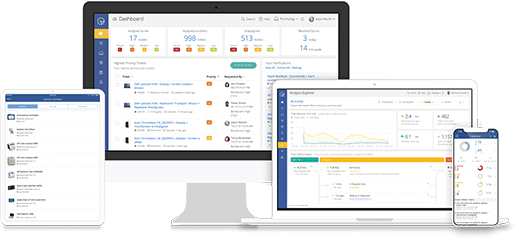
Using an event management solution like Incident IQ is a great way to track expenses and automate the budgeting and expense-tracking process, saving time and ensuring financial practicality throughout your planning process.
3. Venue Selection and Sport Facility Management
You’ll now select an appropriate venue, considering the type of event. For events like your standard varsity baseball games or wrestling matches, it’s usually pretty easy to pick a venue (assuming your school has a baseball diamond and gymnasium onsite). When doing so, just be sure to avoid double-bookings.
Larger events, like homecoming football games or annual fundraisers, might be worthy of reaching out to other types of facilities, such as local recreation facilities, sports stadiums, arenas, or outdoor fields. Make sure the venue not only meets all safety and accessibility requirements but can accommodate your expected number of participants and spectators.
When considering offsite venues, your evaluation should include venue amenities, location, cost, and security provisions. You should also make a plan for any facility design adjustments that may be necessary to meet your specific event needs. For example, if you plan to sell food at your event, ensure the venue has concession facilities you can use.
4. Scheduling and Coordination
Create a master schedule with a detailed event timeline and deadlines for all pre-event activities, such as marketing, ticket sales, equipment procurement, staff recruitment, and security arrangements. Be sure you carefully review this schedule with vendors, staff, volunteers, and security personnel to ensure everyone knows their responsibilities and the timelines they need to follow.
While you may be fortunate enough to have an experienced sports event manager on your team, many school event planners wind up learning as they go. Incident IQ can make scheduling and coordination much more efficient, ensuring nothing falls through the cracks by automating reminders, helping your staff manage task lists, and providing streamlined, centralized communication tools for your event’s stakeholders. It’s essentially a project management platform for event planning, and it ensures that everyone involved is aware of what they need to do and on the same page.
5. Marketing and Promotion
If you want anyone besides athletes and coaches to attend your event, it’s important to develop a comprehensive marketing plan that includes social media, email campaigns, and engagement with the student body. Don’t be afraid to get creative with your promotional strategies: Having athletes make posters or participate in school announcements about the event is a great way to drum up organic excitement. Better yet, have athletes go out into the community to engage and excite neighbors to attend, or visit local businesses to secure event sponsors.
6. Logistics and Equipment Planning
As you enter the final phase of pre-event planning, outline everything you’ll need for your event to be successful. Sports gear, seating, signage, and audiovisual equipment are all items to consider, but you may have other needs, like a wellness or emergency medical area for athletes. Complete arrangements for any transportation or accommodation your coaches and athletes may need, and confirm your plans for offering food and beverages to participants and attendees. Make sure you have security personnel prepped and ready to go, with clear assignments and communication protocols in place.
Phase 2: Day-Of Event Planning
Execution on the day of a sporting event can make or break your event. Following your careful planning from the last section with the sport facility management steps below can help minimize stress and chaos, ensuring everything goes as planned on your big day.
1. Setup and Preparation
It’s good facility management practice to arrive at sport events well ahead of time to ensure setup is complete and that everything is ready for go-time. Check that all event areas are fully outfitted; that athlete areas are properly equipped; that fan zones are properly labeled; and that concessions and spirit shops have the stock and technology they need.
2. Staff and Volunteer Coordination
Once everything is in place, put your operations manager hat on and brief your event staff and volunteers on their roles and responsibilities for the day. Assigning specific tasks and areas of responsibility helps ensure everyone knows their duties. Be sure to maintain open communication channels among staff and volunteers throughout the event to keep everyone working together and promptly address any issues. Walkie-talkies, real-time communication/update apps, or basic group texts could all be good options for this.
3. Attendee Management
Ensuring a smooth, efficient entry for participants and spectators is a hallmark of effective sporting facility management, but it’s also important to ensure attendees know what to do once they’re inside the venue. Clear signage and easy-to-access informational booths can be a great way to answer common questions and direct attendees to various parts of the venue.
PA announcements (or a good old-fashioned bullhorn) are also good for communicating important information to attendees and can double as an effective crowd-control tool. Following prescribed safety measures helps ensure a safe environment for everyone to enjoy your event.
4. Real-time Monitoring and Troubleshooting
Throughout the event, you should carefully monitor how everything is going and be prepared to promptly address any issues if they arise. Contingency plans are another vital component of risk management. Digital products can make it easy to establish arrangements for potential problems like equipment failure or unexpected weather conditions. Incident IQ helps you and your team monitor all aspects of your event, share equipment needs in real time, and alert team members to newly assigned in-the-moment facilities tasks—ultimately ensuring a smooth experience for everyone involved.
Phase 3: Post-Event Checklist
For sports event managers, the work doesn’t end at the final buzzer. Successful event management teams make it a practice to analyze highlights, celebrate MVPs, and learn from mistakes so that the next event runs even more smoothly.
1. Cleanup and Equipment Return
Once all attendees have left, it’s time to organize staff and volunteers to ensure that all venue areas are cleaned and all equipment is packed up and returned. If you rented any equipment or materials for the event, be sure to return everything on time to avoid unnecessary charges.
2. Feedback and Evaluation
Feedback from attendees, staff, and volunteers can be extremely valuable when it comes to improving future events. Surveys, comment cards, and digital feedback tools with thoughtful discussion questions are great ways to gather feedback on various aspects of the event. Document your team’s feedback and turn events into case studies for future reference to help you double down on successes and address areas that need improvement.
3. Financial Reconciliation
Post-event budgeting involves carefully reviewing all invoices, receipts, and financial records to ensure all expenses are accounted for. If needed, finalize any outstanding payments, then prepare financial reports and documentation for transparency and future reference.
4. Reporting and Documentation
Documenting your event’s successes and challenges – and backing up your conclusions with data on attendance, financial sustainability, and feedback – is essential. Not only can this information help inform your approach to future events and drive continuous improvement, but getting everything into one place makes it easy to share with stakeholders and school administration. This transparency will be key in securing their support for future events.
Using digital products can significantly increase report generation efficiency, and Incident IQ’s intuitive dashboards put comprehensive reports at your fingertips. With just a few clicks, you can gain nuanced visibility into all the various factors and processes involved in managing your event.
5. Follow-Up and Relationship Building
Good relationships are critical to success in any endeavor. Sport and recreation event management is no exception, so remember to follow up with sponsors, volunteers, and attendees after your event with a simple thank-you note acknowledging their hard work, sponsorship, or other unique contributions to your event’s success. It’s also a good idea to schedule a debrief with key stakeholders to discuss what worked well and what can be improved.
By developing strong relationships with sponsors, volunteers, and other stakeholders, you build bridges that will make planning your future events easier. Insights from frequent collaborators can also help make your events even more successful.
Plan Better Sporting Events with Incident IQ’s Event Management Features
Planning high school sports events requires extensive preparation. Following the concepts in this guide will put you on the path to thorough preparation, effective coordination, and detailed post-event follow-up, ensuring that your next sporting event is smooth and successful.
Embracing digital products is vital to effective event management, and Incident IQ’s industry-leading software streamlines all the steps in this guide. Don’t leave your events to chance: take the guesswork out of tasks like budgeting, scheduling, sport facility selection, feedback collection, and more.
Unification changes everything, stop chasing updates, start making progress, learn how.