

















































Having begun as an experimental initiative in the early 1990s, one-to-one (1:1) technology is now a cornerstone of modern education. Since 2021, 90% of high schools and middle schools have adopted 1:1 programs, accelerating the shift to digital learning.
Today, 1:1 technology equips students with the tools they need to succeed in a tech-driven world, with the global K-12 education technology (EdTech) market projected to grow from $78.2 billion in 2023 to $810.3 billion by 2033.
Let’s explore the impact of 1:1 educational technology further and whether it’s the right fit for your district.
What is 1:1 Technology in Education?
1:1 technology provides every school student with a dedicated device, such as a Chromebook, laptop, or iPad, for educational purposes. This initiative leverages technology to empower students at every level to explore their interests and engage with online learning resources.
As students progress through grade levels, their academic needs evolve, meaning the type of technology they use must also adapt. Here’s how 1:1 technology varies across grade levels:
- Elementary school: Young learners benefit from durable, easy-to-use devices designed for interactive, hands-on learning. Multimedia apps and learning platforms help students develop foundational reading, math, and creative expression skills.
- Middle school: As coursework becomes more complex, students need devices that balance usability with expanded functionality. Laptops with flexible software promote independent learning, research, and problem-solving skills.
- High school: Older students often require more advanced technology to support specialized coursework, such as coding, graphic design, or STEM projects. Many districts provide high-performance laptops to prepare students for college and career pathways.
How to Decide if 1:1 is Right For Your Schools
The decision to introduce 1:1 educational technology goes beyond simply providing laptops or iPads to learners—it requires reshaping the learning environment by addressing student needs at all levels and equipping educators with the right tools to enhance instruction.
Here are a few factors to consider when evaluating this shift to 1:1 technology:
- Student learning goals: Technology directly supports learning by strengthening core competencies and supporting student progress. Evaluate whether 1:1 devices can significantly improve instruction and adapt to individual learning needs.
- Alignment with teaching methods: Technology should complement—not replace—existing teaching strategies. Consider whether integrating new technologies supports lesson plans and teaching strategies without disrupting effective practices.
- Impact on student engagement: How classroom technology influences student participation and collaboration can be a factor in whether 1:1 technology will adequately support engagement rather than become a distraction.
- Strong infrastructure: Assess the cost of reliable internet connectivity and IT support, which can significantly impact public school budgets. However, failing to invest could also lead to major disruptions in learning.
- Sustainability: Long-term success relies on planning for maintenance, software updates, and ongoing staff training. Districts that implement 1:1 learning must commit to creating a well-supported program that evolves alongside changing educational needs.
- Safety and privacy: Districts must also prioritize cybersecurity policies that safeguard student data and prevent tampering, ensuring compliance with federal and state regulations. This includes implementing robust encryption, secure access controls, and regular IT asset audits to prevent breaches.
Benefits of Technology in Education
While most educators agree that technology can be a powerful tool for student learning, shared devices present operational challenges—especially when supporting the hybrid or online learning models that became prominent after the 2020 pandemic.
1:1 technology programs excel in this area. By equipping each student with a dedicated device, these programs eliminate accessibility barriers to online teaching formats while creating more learning opportunities in traditional classrooms.
Let’s take a closer look at the benefits that these programs bring to education:
Enhances Student Engagement
Newer generations—like Gen Z and A—have grown up with technology, making its integration into education a natural fit. Digital tools have positively impacted student engagement and participation in lesson plans, homework, and extracurricular activities.
Augmented reality tools also create interactive learning experiences, even in traditional classroom settings. These technologies provide real-time feedback, enabling students to learn at their own pace and adapt to their unique learning styles.
For example, Google Expeditions uses virtual reality (VR) to take students on field trips and experience real-world simulations, while language apps like Mondly allow learners to practice straight from their smartphones.
Prepares Students for the Future
Collaboration apps, coding platforms, research databases, and artificial intelligence (AI) have now become standard workplace tools, making digital literacy a priority for school curricula. Ensuring students use educational technology responsibly prepares them for real-world applications.
As industries lean more into technology, the demand for technical skills continues to grow. 1:1 deployments familiarize students with digital tools, fostering the confidence and device stewardship needed for success in technology-driven careers. By integrating these tools into daily learning, schools bridge the gap between education and workforce expectations.
Supports Teachers and Classrooms
Teachers often spend between $500 and $750 annually on classroom supplies. 1:1 technology can ease this burden by reducing the need for physical materials and providing easy access to digital resources. 1:1 devices also help districts maximize IT budgets by offering durable, scalable technology that reduces long-term costs while enhancing the learning experience.
Open Educational Resources (OER) offers free access to technology tools such as apps, interactive websites, and educational games. This cuts down on out-of-pocket costs for teachers and minimizes the demand for IT support by standardizing resources across devices and reducing hardware dependence.
Promotes Equitable Learning Environments
Socioeconomic barriers often limit students’ access to educational technology. When students must bring their own devices, those without financial resources can fall behind, widening the digital divide.
1:1 technology ensures every student has the tools they need to succeed, reducing the financial strain on families and allowing all students to participate in class activities.
Challenges of Classroom Technology
With students already spending so much time “plugged in,” is it truly beneficial to have them spend even more time behind a screen? There’s little evidence of lasting negative effects from the use of technology in schools, but challenges still exist.
Here are some potential concerns to be aware of:
Screen Time
Is it healthy for students to stare at screens all day?
While there’s limited research connecting increased screen time to negative effects on students, it’s a good idea to offer alternatives to technology. Incorporating hands-on, tactile activities provides younger learners a break from screens and reinforces healthy device moderation.
Parents and teachers can also research age-appropriate screen time guidelines to ensure students balance their time on devices with other activities.
Budget Concerns
The widespread adoption of 1:1 devices in schools across the U.S. was initially fueled by ESSER funding, which enabled districts to deploy devices at scale to meet urgent needs like the COVID-19 pandemic. However, as ESSER funds phase out, districts are grappling with sustaining these programs effectively.
This is why schools need to be even more strategic with their budgets, especially when considering the full scope of a 1:1 device program.
While devices like Google Chromebooks offer a more budget-friendly option, the long-term costs—such as maintenance, spare devices, digital infrastructure, and security software—should not be overlooked.
To make a 1:1 program more cost-effective, consider strategies like:
- Leveraging bulk purchasing options for devices
- Investing in open-source software to reduce licensing costs
- Implementing regular asset audits and inventory management practices
- Focusing on preventative maintenance to extend the lifespan of Chromebooks
- Prioritizing user training to reduce long-term repair and replacement costs
Digital Equity
While 1:1 programs ensure that every student has access to educational technology, not all students have reliable internet access outside of school. This is particularly challenging in hybrid and remote learning environments, where inconsistent internet access can cause students to fall behind and miss out on key learning opportunities.
Public libraries can help bridge this gap, but it’s essential that districts implementing 1:1 programs address these connectivity concerns to ensure all students have an equal opportunity to succeed.
Device Management
Most 1:1 districts manage thousands, if not tens of thousands, of assets, and keeping track of them is no small task. These responsibilities include asset tagging, deploying and collecting devices, managing help desk tickets, and much more. For large tech deployments to succeed, school districts need the right systems and tools to support their IT departments and ensure the reliability of district assets year after year.
Given the massive scope of 1:1 deployments, mobile device management (MDM) platforms are an excellent solution for centralizing device control across districts. MDM platforms allow IT administrators to control all aspects of device functionality, including screen locking, geolocation capabilities, password management, and security controls.
Integrated platforms like Incident IQ enhance these capabilities further by unifying MDM systems with IT help desk and asset management software, providing schools with a seamless way to track, protect, and maintain their devices.
Best Practices for Implementing 1:1 Technology
Despite these challenges, there are best practices and strategies that can help districts overcome these hurdles and ensure the success of their 1:1 programs:
Establish Clear Objectives and Goals
What are the key outcomes you want to achieve with your 1:1 initiative?
Here are some possible goals to consider:
- Enhancing student engagement
- Building digital literacy
- Personalizing learning to individual student needs
- Supporting remote and hybrid learning
- Improving academic performance
- Streamlining administrative processes
Once you’ve decided on your objectives, set specific, measurable goals to make them actionable. For example, you might aim for 80% of students to log in daily or 75% to meet state literacy test scores. Identifying concrete goals creates a clear path for assessing progress and adjusting strategies as needed.
Invest in Training and Professional Development
Teachers are key to successfully integrating 1:1 programs into the classroom. Provide targeted, hands-on training to ensure they can effectively use technology in their lessons. This should include:
- Initial onboarding sessions focused on device usage, educational apps, and classroom management tools.
- Ongoing professional development to stay current with new tech tools and teaching strategies.
- Access to peer-led workshops and mentorship programs to share best practices and troubleshoot challenges.
- Support for tech integration through easy-to-access resources, such as instructional videos, guides, and a dedicated help desk.
Develop a Comprehensive Technology Policy
Establish clear, actionable policies that define acceptable device usage, security protocols, and maintenance procedures. These policies ensure that both students and staff understand expectations, promoting the responsible use of technology and safeguarding of school assets.
Key components should include:
- Device Usage: Guidelines on when, where, and how devices can be used.
- Security Protocols: Rules for password management, device encryption, and secure access to school networks.
- Internet Safety: Guidelines for browsing, using educational resources, and ensuring student safety online.
- Data Privacy: Policies on protecting student and staff data in compliance with relevant privacy laws.
- Consequences for Misuse: Clear actions to take if policies are violated, ensuring accountability and a secure learning environment.
Prioritize Equity and Accessibility
Address barriers related to technology access, including financial constraints and varying learning needs, to ensure all students can fully engage with digital learning.
Consider solutions like:
- Providing Devices and Internet Access: Equip students with necessary tools and reliable connectivity, especially in underfunded areas.
- Assistive Technologies: Support students with disabilities through screen readers, adaptive keyboards, and other specialized tools.
- Language Support: Offer resources in multiple languages to accommodate diverse linguistic needs.
- Bridging Connectivity Gaps: Explore partnerships or offline options for students in areas with limited internet access.
Utilize Technology Management Tools
Managing a successful 1:1 program requires powerful tools and learning management systems that can handle the complexity of today’s tech-driven classrooms.
This is where Incident IQ comes in.
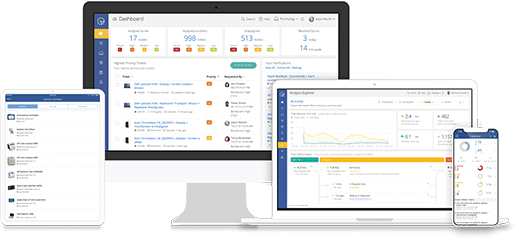
With iiQ Assets, our asset management software, and iiQ Ticketing, our help desk solution, school districts can centralize their entire technology infrastructure to meet the evolving demands of modern education. Our data-rich dashboards and detailed reporting help maximize technology investments, ensure accountability, and reduce administrative workloads. Additionally, our intuitive interface allows faculty and students to easily submit tickets through a unified request portal.
From automating routine tasks to minimizing downtime, our solutions optimize the management of 1:1 programs to make technology a seamless part of the learning experience.
The Future of Technology for Schools
With the global EdTech market projected to reach $810.3 billion by 2033, many school administrators are rethinking how teachers and students can leverage educational technology. For 1:1 programs to truly thrive, schools need the right solutions to support their implementation and adapt to evolving needs.
At Incident IQ, we’ve created a platform designed to help school districts modernize service management and effectively support one-to-one classroom programs. With structured data management, smart workflow routing, and seamless integrations for K-12 systems, schools can stay focused on student learning while keeping tech operations running smoothly.
Schedule a demo to learn more about Incident IQ or see how other K-12 districts are successfully managing 1:1.