

























































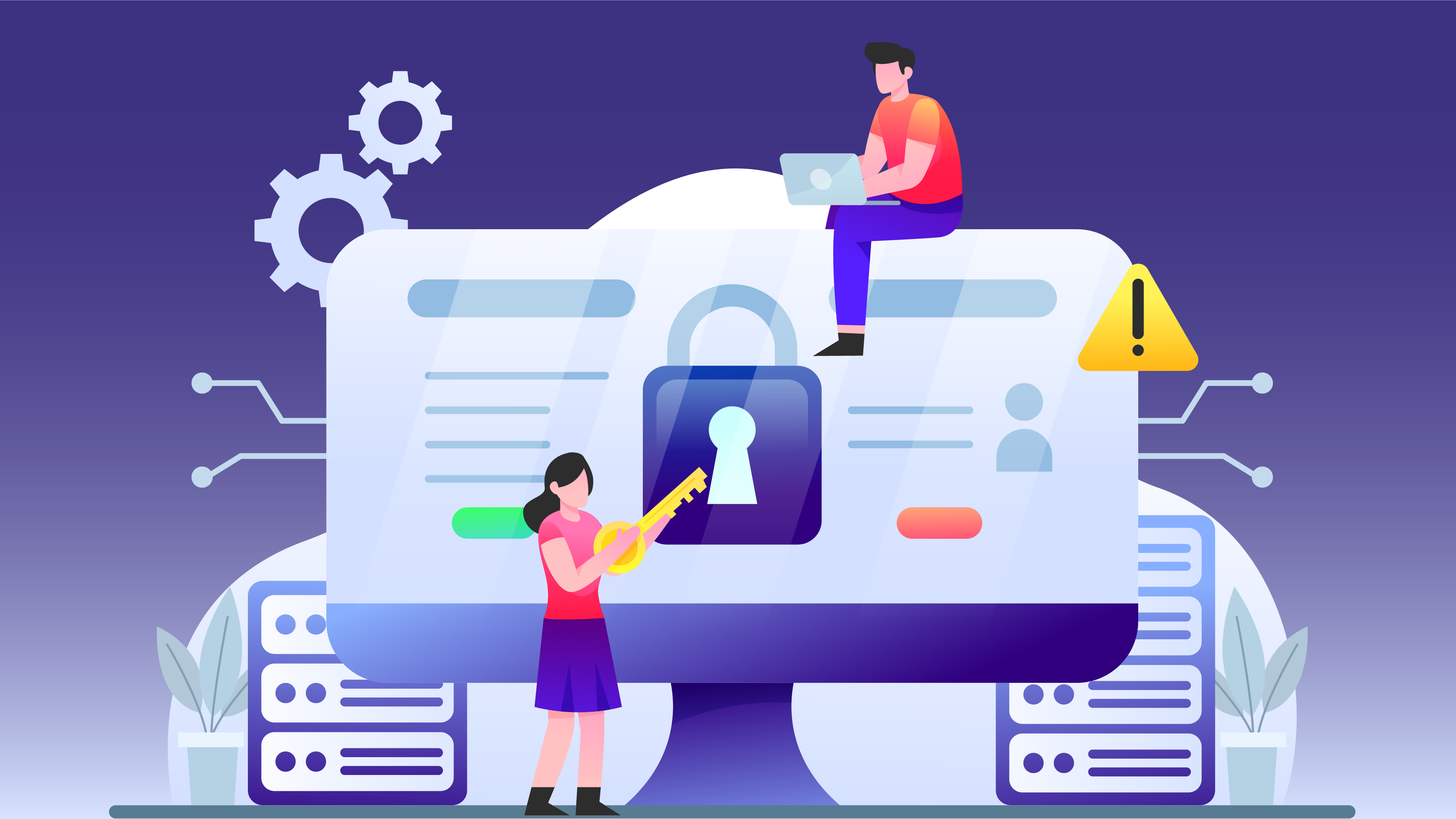
The best way to protect your school from cybercriminals is to be prepared before they attack. If you’re worried about school safety, you’re not alone. A report found that the education sector is at high risk for cybersecurity threats, and K-12 districts are often ill-equipped to face these challenges head-on.
As a school leader or IT asset manager, you may be looking for new ways to protect and manage school assets. A well-organized plan for device stewardship is one of the best security measures you can take with this goal in mind. Device stewardship involves identifying threats, educating users, and building transparent data protection and security processes.
This article will walk you through how to establish a robust cybersecurity framework with solutions tailored to the unique needs of K-12 education. Keep reading—you’re about to learn the best ways to set up your own cybersecurity program to protect your district.
The Importance of Cybersecurity in Education
With their abundance of sensitive data and slim resources for security, schools are often targeted by cybercriminals. In fact, according to the Cybersecurity and Infrastructure Security Agency (CISA), “cyber incidents are so prevalent [in K-12 schools] that, on average, there is more than one incident per school day.”
Despite the rise in hacking and data theft in schools, advancements in security technology mean new opportunities exist to protect your students, staff, and their families.
So, how can you safeguard your school from cybersecurity risks?
The Role of Device Stewardship in Mitigating Cyberattacks
Data security begins with the end-user, making cybersecurity training for students and teachers a crucial first step in protecting school devices. When faculty and students know how to use and secure their devices, the entire school district is better protected from hackers.
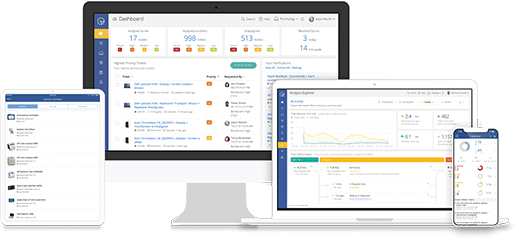
For school administrators and IT teams, establishing device stewardship practices also necessitates effective asset management and tracking systems. This involves not only tracking and allocating school devices, but also ensuring they’re updated with the latest security software. That’s why iiQ Assets, our asset management software, provides inventory tracking, remote asset management, and in-depth reporting, empowering districts to create safer, more reliable digital learning environments for everyone.
Effective device stewardship also fosters a culture of accountability and security, ensuring that every device is properly managed and protected. Learn more about student device stewardship and how to implement it by downloading our free e-book:
Priorities for Strengthening Security in K-12 Schools
Here are the five essential pieces you’ll need to plan an effective K-12 cybersecurity program and maintain preparedness:
- Managing Devices with Device Stewardship: As education becomes increasingly digitized, the best way to support online learning is by actively tracking, updating, and securing technology to ensure the safety of school devices (and their owners).
- Securing Networks with Firewalls and Filters: Firewalls block access from malware and other malicious attacks, while filters ensure end users can’t access harmful websites or download unapproved applications and files.
- Enhancing Network Visibility with Monitoring Software: It’s always better to anticipate an attack before it happens—that’s why network monitoring is crucial to benchmark “normal” activity and quickly identify anything unusual.
- Implementing Multi-Factor Authentication (MFA): If a simple password is a wall, an MFA system is a vault that adds an extra layer of protection against cybersecurity incidents. Implementing an MFA password policy makes it nearly impossible for hackers to access student data or devices.
- Protecting Data with Encryption: Encrypting sensitive data ensures that even if hackers gain access during a data breach, they cannot read or misuse it—keeping student and staff information secure.
- Ensuring Recovery with Data Backups: Regular backups prevent data loss by allowing schools to restore critical information after cyber incidents, hardware failures, or system wipes.
The Challenges of Implementing School Network Security
Your cybersecurity posture may be strong, but that doesn’t always make it easy to implement. Here are some of the main challenges many educational institutions face:
Limited IT Budgets and Resources
Constrained budgets aren’t an isolated issue, with one report finding that US public education spending is below global benchmarks and lags behind economic growth. With money spread ever thinner, finding space in the budget for cybersecurity resources can be difficult for schools of any size.
Limited budgets not only affect the ability to invest in cybersecurity tools, but also hinder the hiring of skilled IT staff to manage and implement these systems effectively. For many K-12 districts, this means relying on outdated infrastructure that lacks the resilience needed to defend against modern cyber threats.
Managing Legacy Systems and Aging Infrastructure
Older systems have more vulnerabilities—that’s just a fact. When school districts don’t upgrade their education technology, they’re basically leaving the door open for ransomware attacks and other types of cybersecurity threats.
Aging infrastructure can also drain the time and resources of your school’s IT team. Constant maintenance, patching, and troubleshooting pull valuable time away from implementing proactive security measures, leaving schools even more exposed to risks.
With iiQ Assets, your district can stay ahead of these challenges by tracking aging devices and scheduling update reminders. This helps schools close security gaps and maintain a more resilient IT infrastructure.
Rising Threats from Remote and Hybrid Learning
The threat to sensitive information extends far beyond the walls of the school. With the increase in 1-to-1 device deployments and the growing popularity of hybrid and distance learning, students and staff are accessing school devices from unsecured locations, either at home or in public areas. This shift creates new vulnerabilities that open school systems up to external attacks.
Without robust cybersecurity protocols in place, including tools to monitor and secure remote devices, districts face risks that compromise the safety of student and staff information. Addressing these challenges requires high-powered solutions like Incident IQ designed for the flexibility of modern learning environments.
Effective K-12 School Cybersecurity Solutions
With an estimated five cybersecurity incidents hitting K-12 schools each week, the time to build a cybersecurity plan was yesterday. The second best time is right now.
If you’re ready to take control of cybersecurity for your school, here’s where to start:
Detect Ransomware and Proactively Respond
Ransomware attacks on K-12 schools increased by 393% between 2016 and 2022. So, how can you protect your school from these types of threats? The NIST Cybersecurity Framework separates an incident response plan into five steps:
- First, identify where the greatest threats are. Partnering with an expert cybersecurity service provider allows you to conduct thorough risk assessments and uncover exactly which pieces of your cybersecurity framework need to be shored up.
- Next, take action to protect your data. Check that any sensitive data is regularly backed up and that those backups are stored on a separate device or network. Offline backups are the most secure against these kinds of cybersecurity attacks in schools.
- If a breach does occur, it’s time to detect, respond, and recover. Start by determining which systems were impacted and take them offline immediately to contain the threat. Locate the ransomware within your system and investigate how it gained access.
- Communicate internally to stakeholders and report the breach to local or national authorities as required. Then, focus on eradicating the malware by wiping infected systems, resetting passwords, and addressing any identified vulnerabilities.
Transparency isn’t easy in situations like this, but the faster you can notify students and staff, the sooner they can take the proper steps to protect their sensitive information.
Adopt Cloud-Based Security Tools
Your school district’s tech stack can make or break your security. Cloud-based security tools automatically update and offer greater threat protection than on-premise solutions. Make sure that any third-party software you use meets compliance requirements, such as SOC 2 and FERPA, to safeguard sensitive data and uphold trust.
Some cloud-based tools include content filtering solutions, antivirus software, threat protection systems, and monitoring tools. Because these solutions update automatically, they protect the entire school community against evolving cyber threats without requiring constant manual maintenance.
Conduct Regular Staff and Student Training
Phishing, ransomware, and other cyberattacks succeed many times as a result of human error. When your students or staff are not educated about potential threats, they’re more likely to fall into a hacker’s trap.
Make sure your school community is well-informed about potential threats and how to protect themselves (and the rest of the school). Setting up regular training sessions is a great way to keep everyone up-to-date on the latest security measures.
Partner with Trusted Providers like Incident IQ
Incident IQ invests heavily in making sure our systems stay compliant and safe for school districts. We’re here to support your district in upholding rigorous device stewardship practices by streamlining device tracking and enhancing accountability. As a tool that’s specifically built for K-12 schools, iiQ Assets is a great choice for managing devices and connecting with other security tools to protect your users.
By integrating our asset management software with network security tools, Incident IQ gives you everything you need to protect your school network in one place. It also integrates with MDM platforms and other cybersecurity resources to build a powerful safety net for vulnerable devices.
Creating Safe Digital Learning Environments with Incident IQ
Creating an environment to protect against cyber incidents in your school district isn’t beyond your reach. With the right strategies and tools, you can protect both students and staff from scams, ransomware, and other cyber incidents that threaten sensitive data.
Incident IQ helps by allowing admins to monitor devices in real time, track usage, and manage access remotely. We’re on a mission to help schools create secure digital environments with our school asset management software–while delivering the education and support to ensure that your schools remain safe.
Looking for actionable strategies to strengthen the safety net for your school devices? Download our free guide to student device stewardship today: